Photos from current listings. Actual item, color, and included accessories may vary.
Setting Powder Buying Guide
Setting powder is a finishing product that locks makeup in place, blurs texture, and controls shine. The core trade-off is between translucent loose powders that give a soft-focus, non-cakey finish and pressed powders that offer portability and touch-ups but can look heavier. Choose loose translucent for all-over setting and oily zones; choose pressed only for on-the-go touch-ups or very oily skin that needs extra mattifying.

At a glance
- Category
- Makeup
- Data updated
- Nov 15, 2026
Current offers
 Translucent Loose Setting Powder - 24HR Shine Control, Soft Matte Finish, Long-L$85.99
 View on eBay
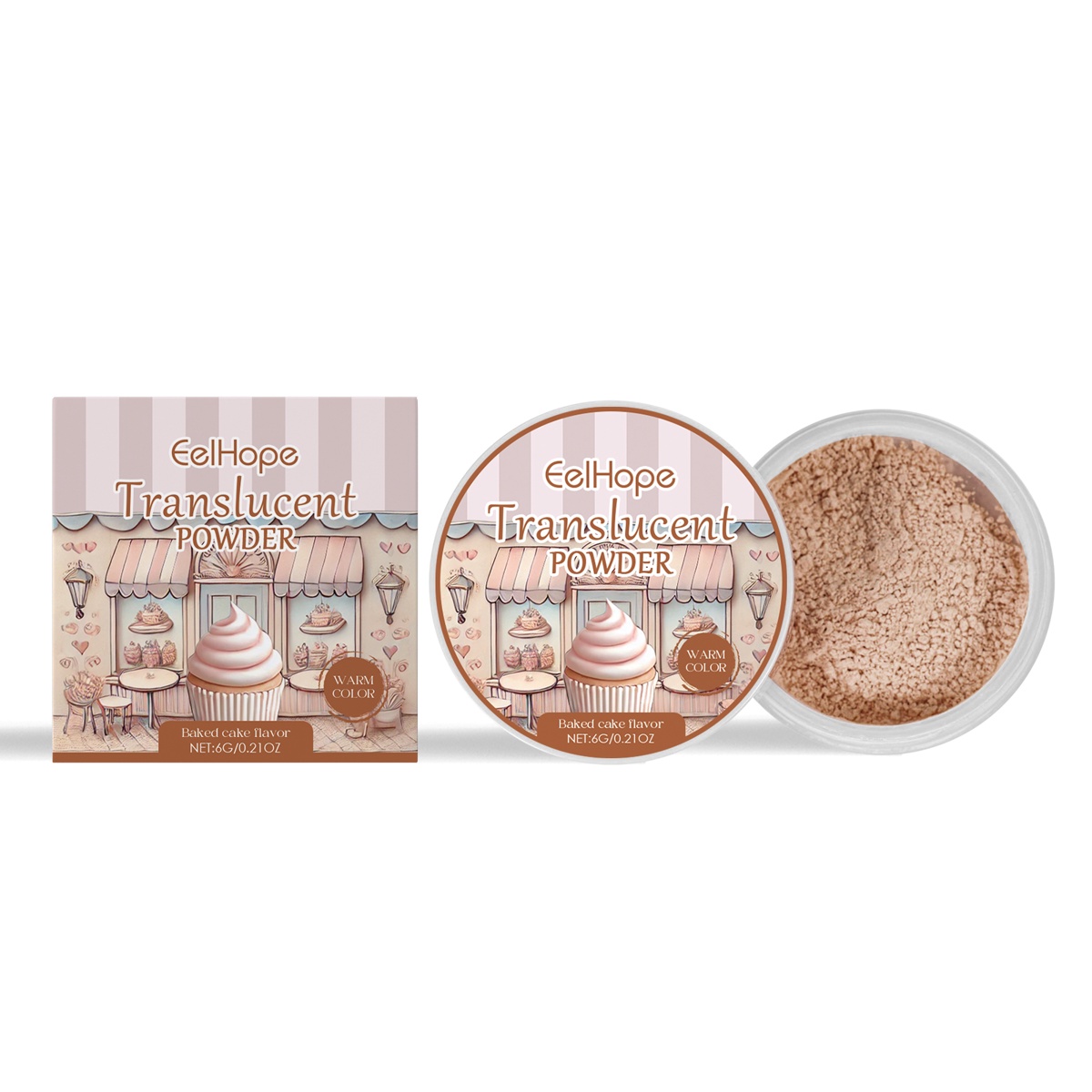 perfume Natural Makeup Setting Powder Baking Cake Flavor Aroma Lightweight Clear Control Oil Not Easy To Remove$22.99
 View on Mallflare
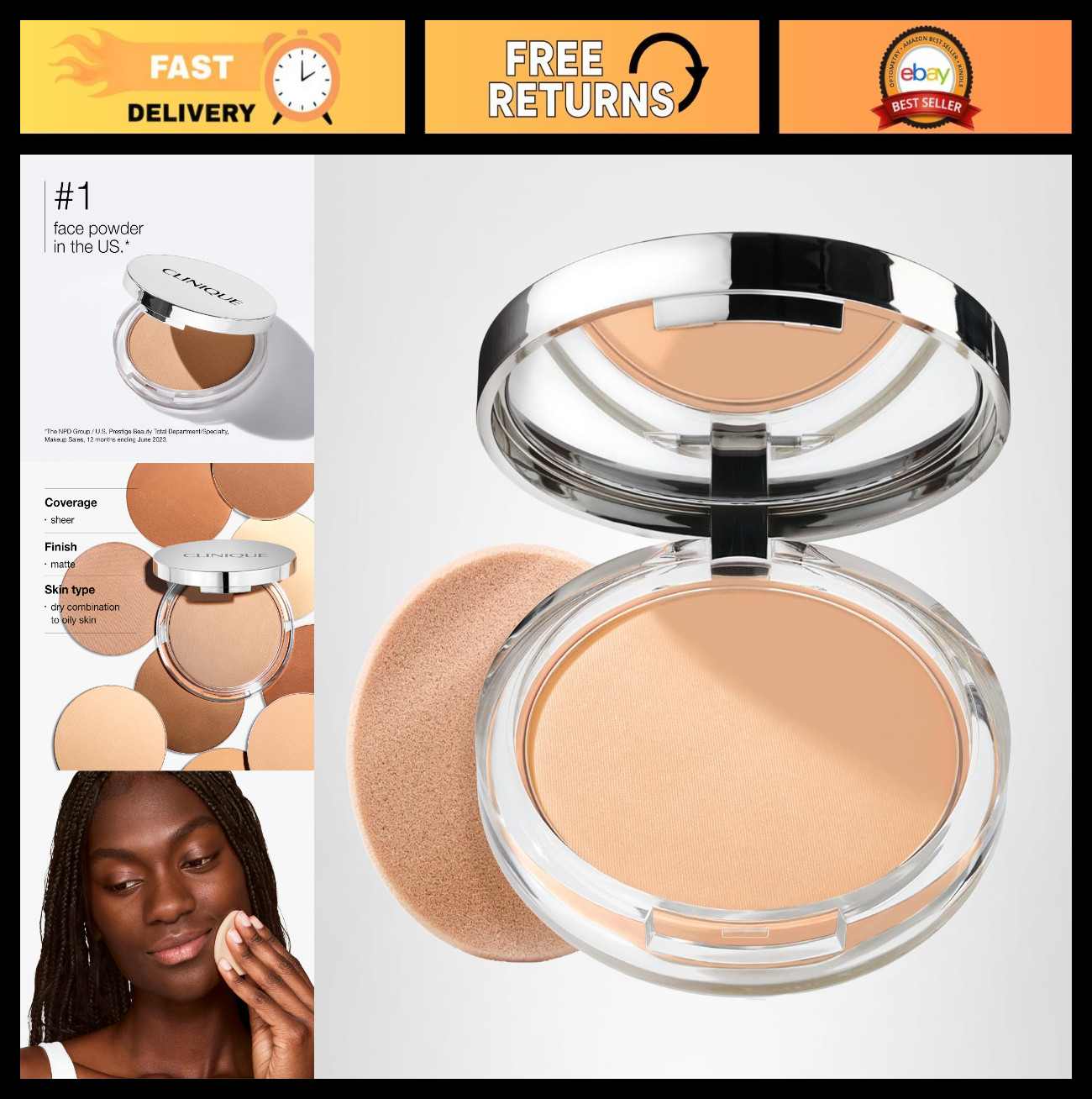 Stay-Matte Sheer Pressed Face Powder for Oily Skin | Shine Control & Setting Mak$81.99View on eBay
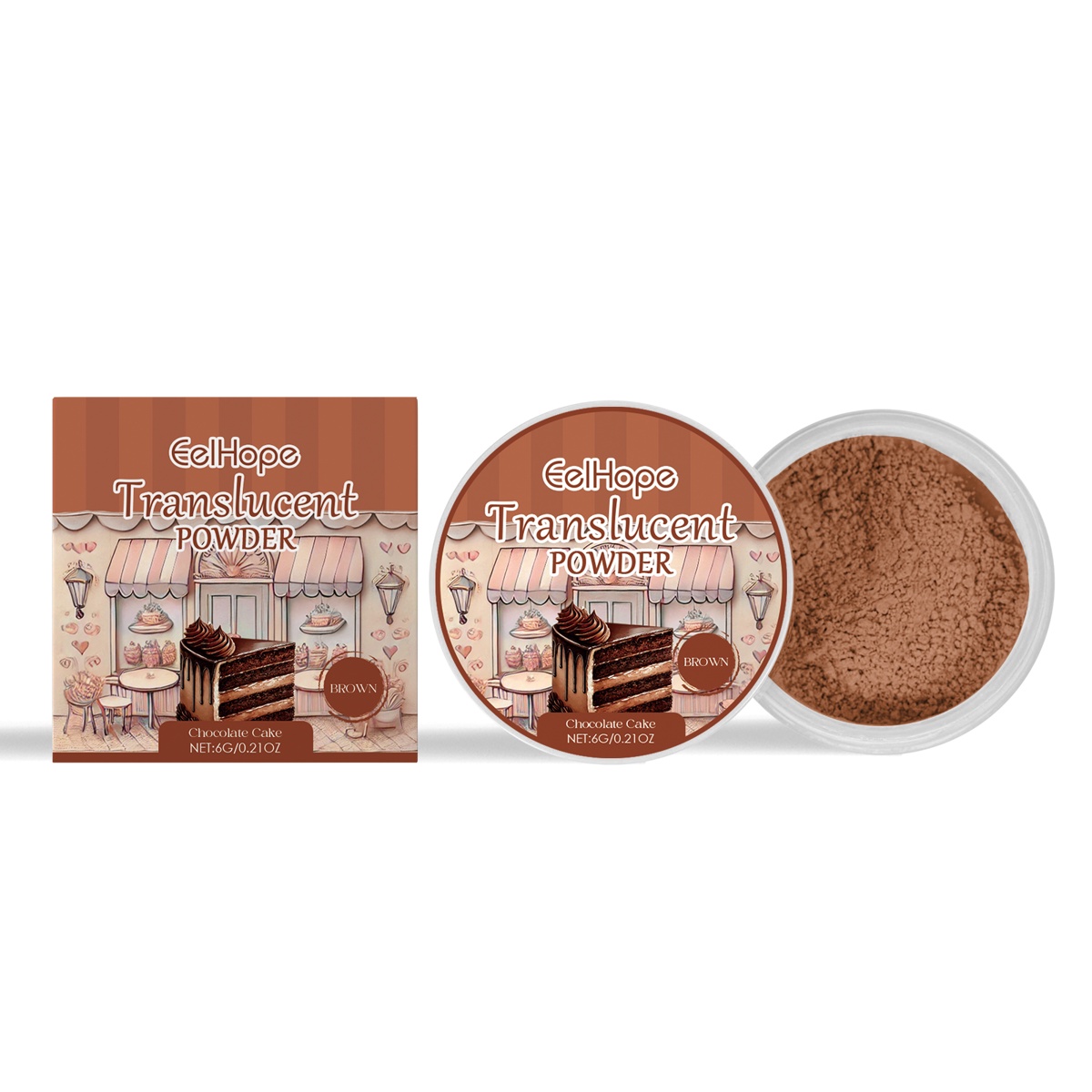 perfume Brown Makeup Setting Powder Chocolate Cake Flavor Baking Aroma Lightweight Clear Control Oil Not Easy To Remove$22.99View on Mallflare
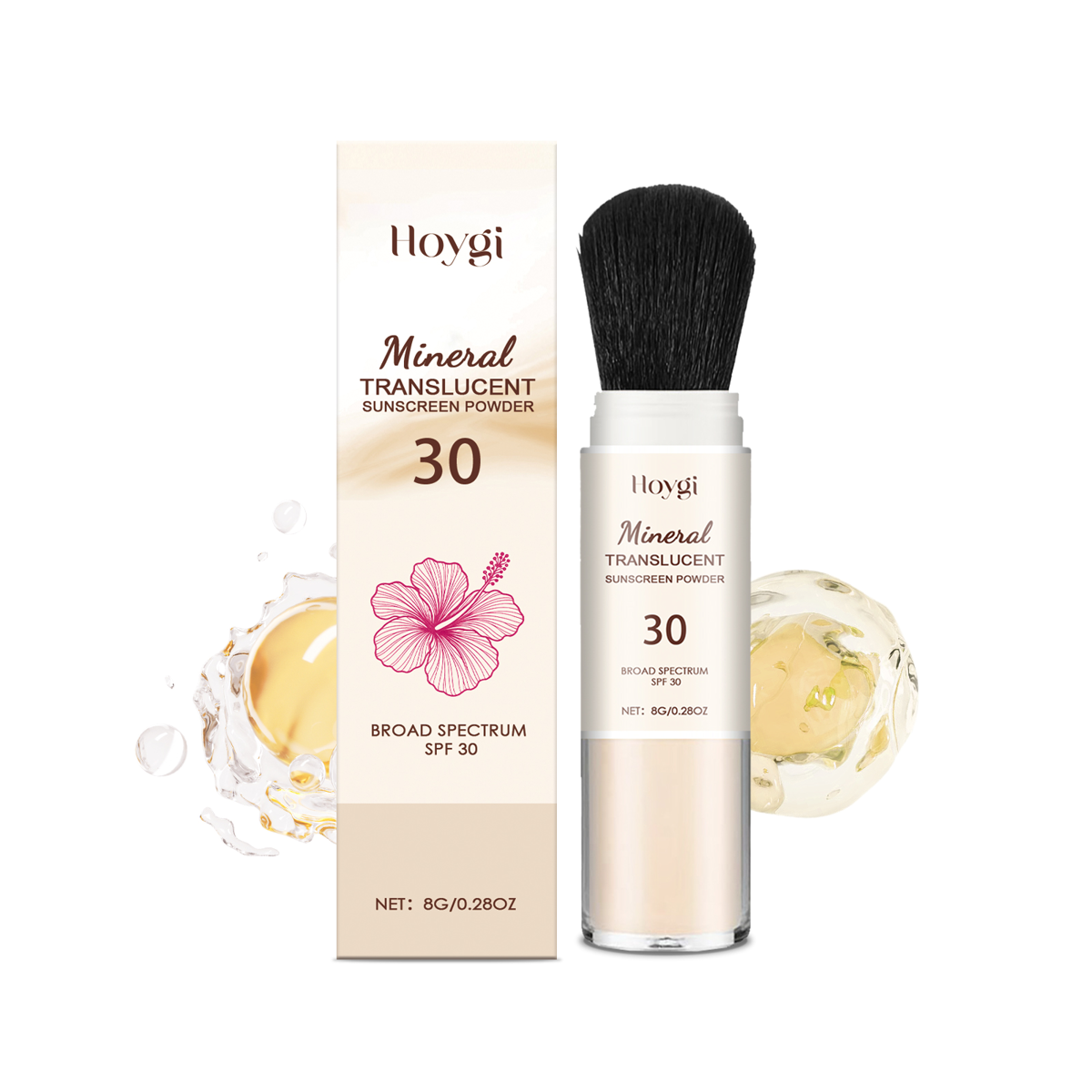 perfume Setting Powder - Natural Oil-control Lightweight$23.99View on Mallflare
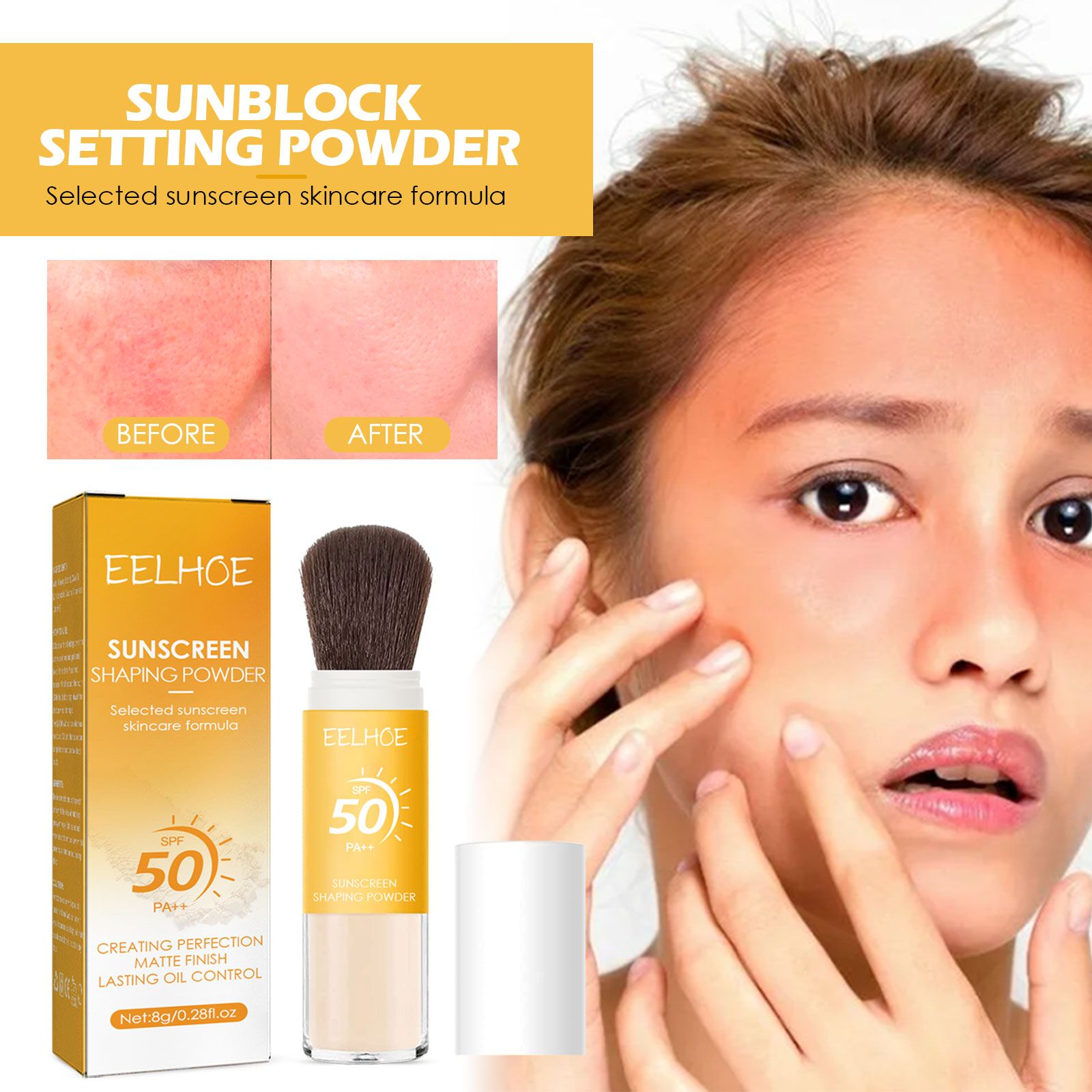 EELHOE Setting Powder For A Natural, Lightweight, Breathable Finish That Controls Oil And Provides Long-lasting, Smudge-proof Makeup$25.99View on Mallflare
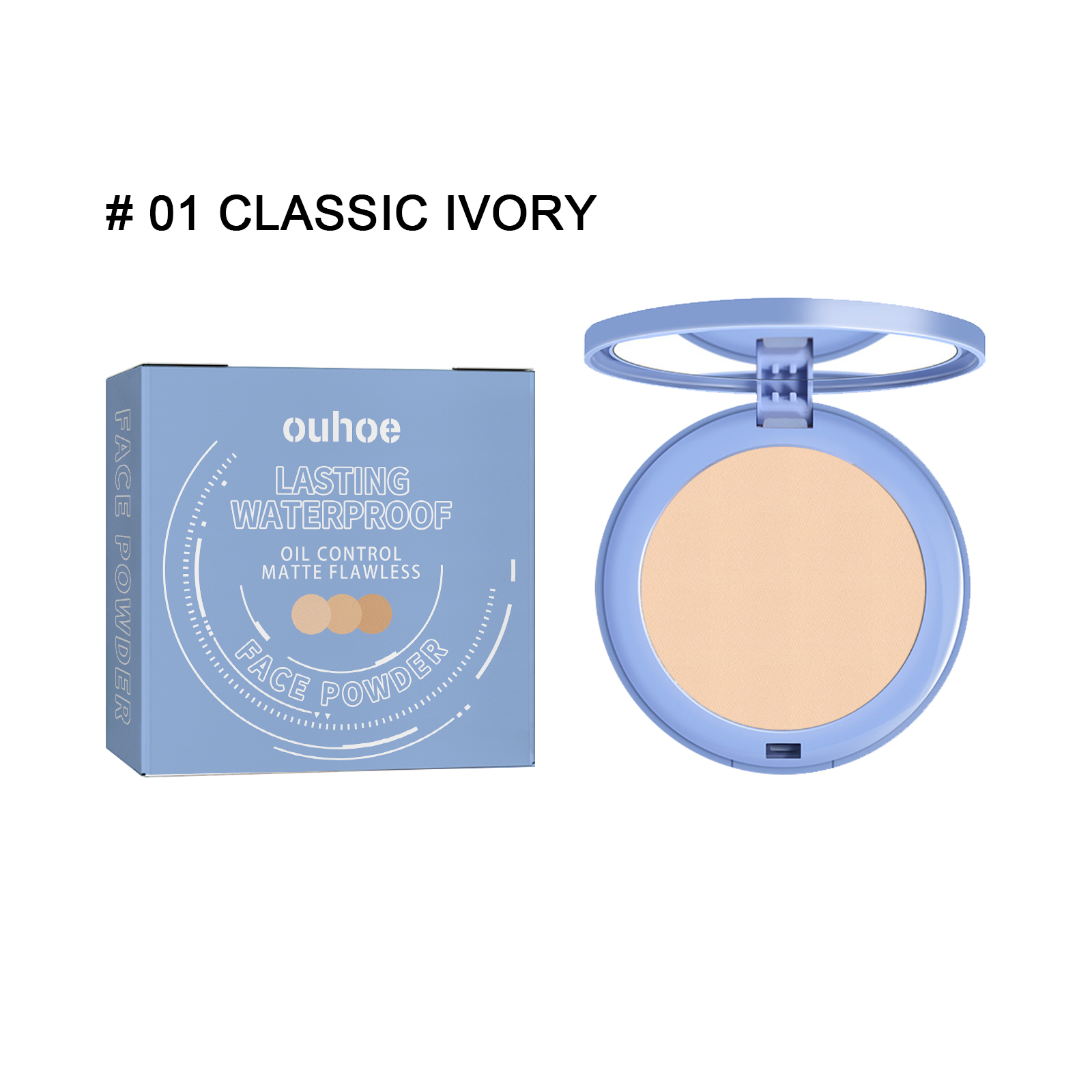 OUHOE Long-lasting Finishing Compact - Flawless, Long-wearing, Non-transferable, Easy To Touch-up, Natural, Lightweight, And Breathable Setting Powder$25.99View on Mallflare
Highlights
- Loose vs. pressed format: loose powder disperses evenly for a weightless, non-cakey set; pressed compacts are portable but require a light hand to avoid patchiness.
- Particle size and finish: micro-fine talc or silica powders blur pores and set without flashback; larger-particle or heavy talc formulas can look chalky under bright light.
- Oil control: silica and clay-infused powders absorb sebum for 6–8 hours; translucent formulas with mica add shine, so oily skin should pick matte-only versions.
- Shade range: true translucent powders suit all skin tones; tinted or 'natural' powders must match undertone or they visibly shift foundation color.
Best use cases
- Best for all-day makeup wear and oily T-zones: pick a loose translucent silica powder — skip pressed if you need a flawless, non-powdery finish.
- Best for purse touch-ups and controlling shine midday: pick a pressed mattifying compact — skip loose if portability and no-spill application matter most.
- Best for dry or mature skin: pick a finely milled, non-drying loose powder with low talc — skip heavy mattifying pressed powders that emphasize texture.
- Best for deep skin tones: pick a truly translucent or finely tinted loose powder — skip 'natural' shades that run light and leave a white cast.
Buying tips
- Choose loose powder for setting foundation and baking; choose pressed for touch-ups — loose gives a finer, more even layer with less pressure.
- Look for silica or silica-clay blends for oil control; talc-only powders set well but offer less shine absorption for oily skin.
- For flash photography, avoid powders with high mica or titanium dioxide — they cause white flashback; pick silica-based translucent formulas.
- Match powder tone to undertone if tinted: warm/neutral/cool labeled shades must align with foundation or the finish looks ashy.
Specs
| Format | Loose vs Pressed compact |
|---|---|
| Finish | Translucent matte / Tinted satin |
| Oil Control | Silica/clay 6–8 hr vs talc-only |
| Skin Type | Oily: matte / Dry: fine milled |
Related searches
What to check before buying
- Confirm your foundation finish: matte foundations need less powder; dewy foundations need a light translucent set to avoid cakiness.
- Check skin type: oily skin needs oil-absorbing silica/clay; dry skin needs fine, non-drying talc-free or low-talc loose powder.
- Verify application tools: loose powder needs a fluffy brush or velour puff; pressed needs a dense brush or sponge — budget for the right tool.
- For flash photography or events, test for flashback: silica translucent powders are safest; avoid high-mica 'glow' powders.
FAQ
Data sources: eBay / Amazon listings and product attribute feeds Data updated Nov 15, 2026.
Some links on this page are affiliate links. If you buy after clicking one, we may earn a commission at no extra cost to you. This does not change which products appear here or their order. Affiliate disclosure.