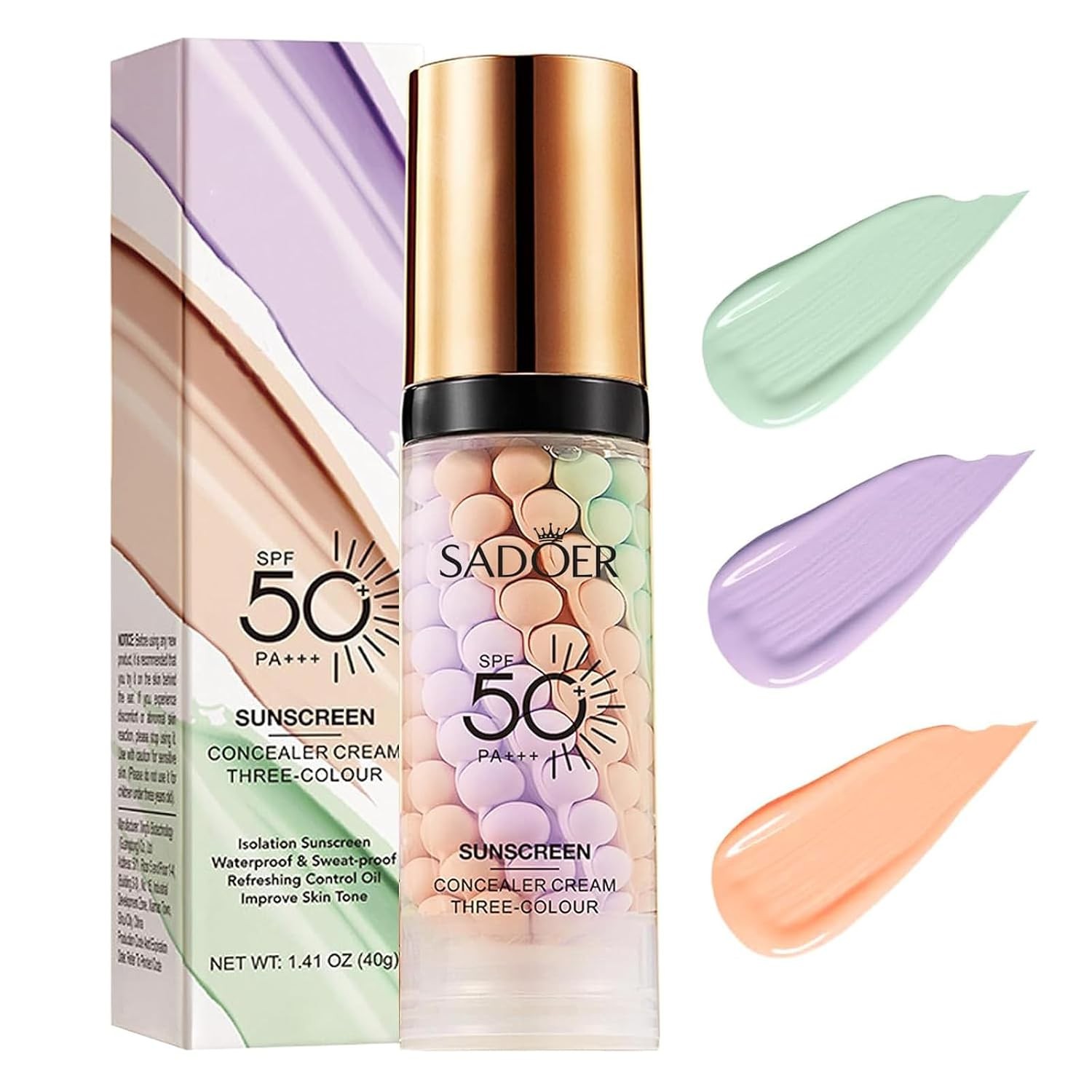

Photos from current listings. Actual item, color, and included accessories may vary.
Primer Buying Guide
Primer is a complexion base coat engineered to modify skin texture, pore visibility, redness, or wear time before foundation. The core trade-off is silicone-heavy blurring (fills pores, smooths, but can pill or feel heavy) versus water-based or hydrating formulas (breathable, mature-skin friendly, but weaker on texture blur). The decision rule: match the primer base to your foundation base and your primary concern—texture-pore blurring, color correction, hydration, or SPF—rather than buying a single all-in-one.


At a glance
- Category
- Makeup
- Data updated
- Nov 15, 2026
Current offers
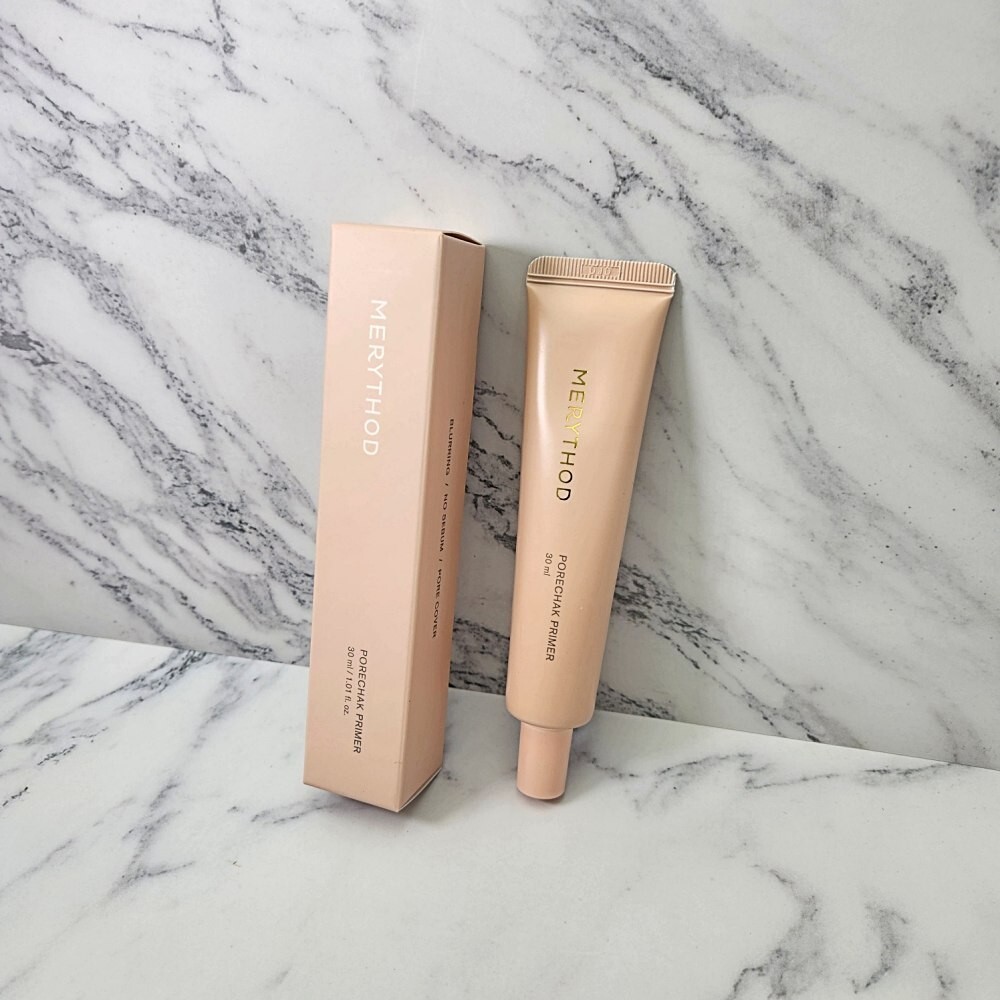
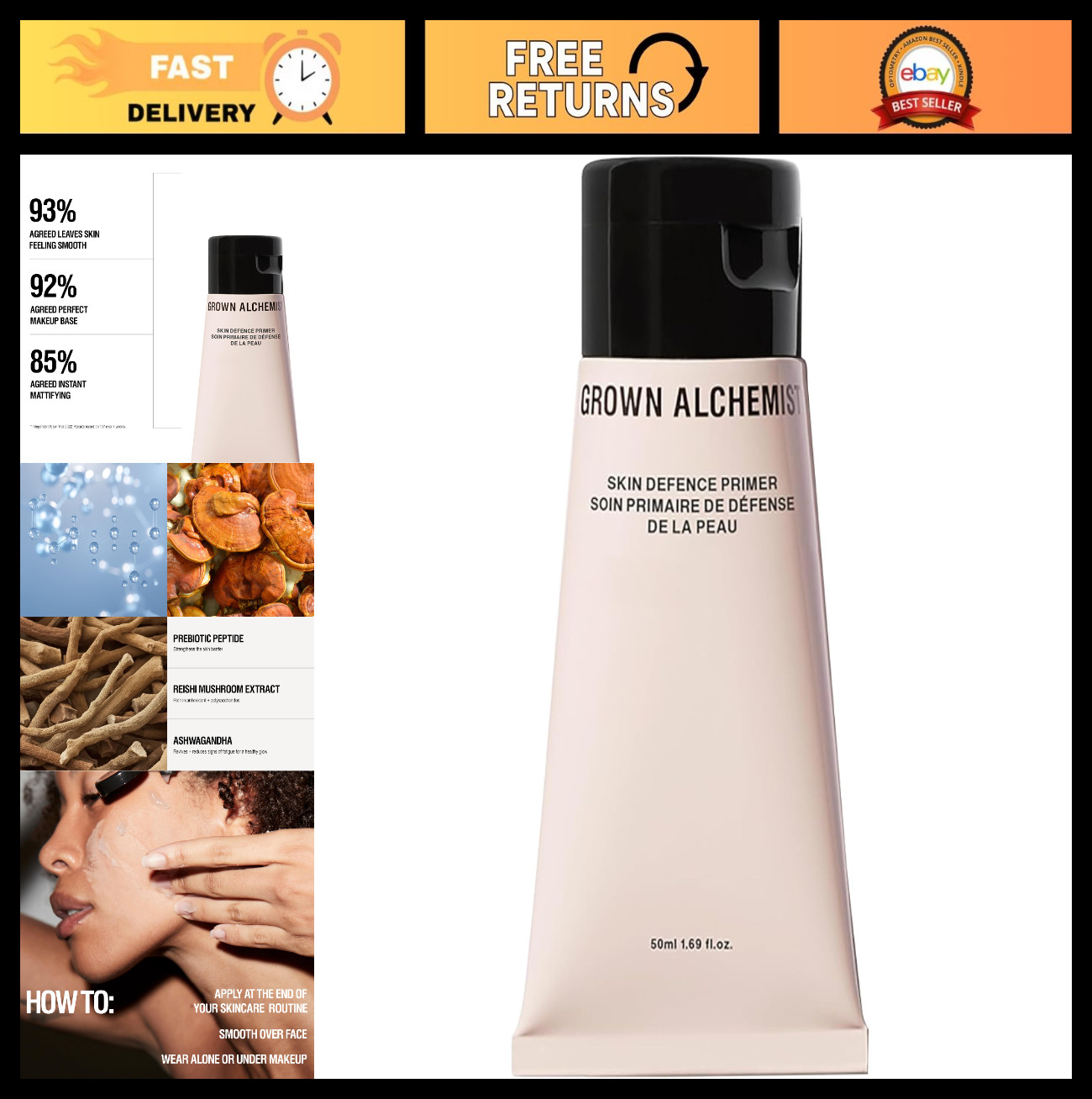
Highlights
- Silicone-based primers (dimethicone, cyclopentasiloxane) deliver the strongest pore-blurring and smoothing; water-based primers rely on glycerin and film-formers for hydration with lighter texture.
- SPF primers are supplemental only — real-world application volume delivers far less than the labeled SPF, so never substitute for a dedicated sunscreen.
- Color-correcting primers use pigment physics: green neutralizes redness, peach/apricot neutralizes dark circles and sallowness, lavender brightens dullness, and peach is the standard corrector for mature skin.
- Anti-aging and firming claims come from humectants (hyaluronic acid, glycerin) and peptides that plump surface skin; they do not restructure skin, so choose them for finish and comfort, not clinical repair.
Best use cases
- Mature skin with fine lines and dryness: pick a water-based or hydrating primer with glycerin/hyaluronic acid and skip heavy silicone blur primers that settle into lines.
- Visible pores and uneven texture: choose a silicone-based pore-blurring primer pressed only into the T-zone and textured areas; skip full-face silicone layers under water-based foundation.
- Redness or uneven tone: use a green-tinted color-correcting primer on the red areas, then apply foundation; skip if you already use a full-coverage color-correcting concealer.
- Oily or long-wear days: use a mattifying, oil-control primer; skip rich hydrating primers that shorten foundation wear in humid conditions.
Buying tips
- Match bases: silicone primer under silicone or oil-based foundation; water-based primer under water-based foundation — mixing bases is the top cause of pilling and separation.
- For mature skin, prioritize glycerin, hyaluronic acid, and peptides over high-dimethicone formulas that emphasize slip over hydration.
- Judge blur primers by texture feel, not label: dimethicone or a dimethicone crosspolymer near the top of the INCI list means strong smoothing and a higher pill risk.
- Treat any SPF primer as a bonus layer only — it does not replace a dedicated broad-spectrum sunscreen applied at the standard 2 mg/cm².
Specs
| Primer Base | Silicone vs Water vs Oil |
|---|---|
| Primary Benefit | Pore-blur / Hydrate / Color-correct |
| Finish | Matte / Satin / Luminous |
| SPF Rating | None to SPF 50 (supplemental) |
Related searches
What to check before buying
- Confirm your foundation base (water, silicone, or oil) before buying a primer — the primer base must match it.
- Check your skin type and climate: humid/oily skin needs mattifying oil-control primer; dry or cold-climate skin needs hydrating water-based primer.
- Patch-test silicone primers if you are acne-prone or sensitive — dimethicone-heavy formulas can clog pores on some skin.
- Verify the primer's finish (matte, satin, luminous) suits your foundation finish to avoid a mismatched final look.
FAQ
Data sources: eBay / Amazon listings and product attribute feeds Data updated Nov 15, 2026.
Some links on this page are affiliate links. If you buy after clicking one, we may earn a commission at no extra cost to you. This does not change which products appear here or their order. Affiliate disclosure.