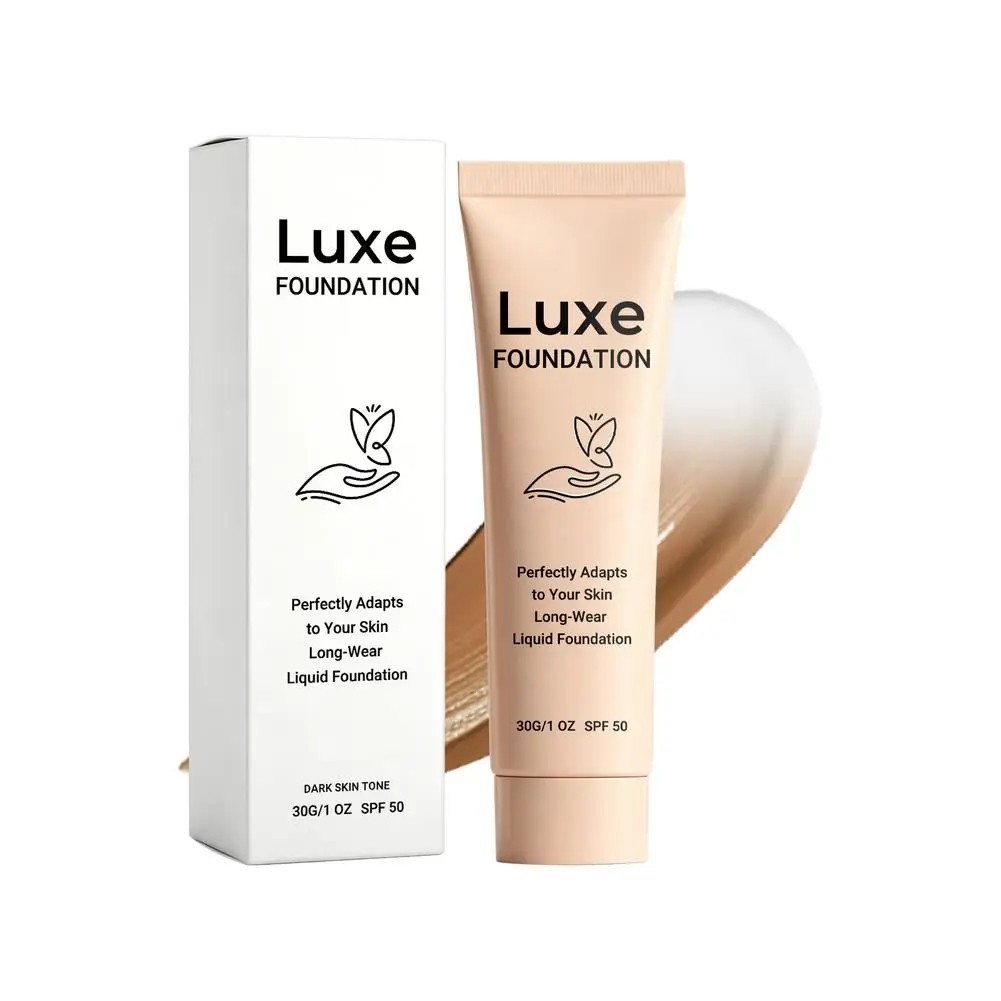

Photos from current listings. Actual item, color, and included accessories may vary.
Foundation Mature Skin Buying Guide
Foundation for mature skin is a liquid, cream, or powder formula engineered to address dryness, texture, and loss of elasticity without settling into fine lines. The primary trade-off is coverage versus flex: high-pigment matte formulas mask discoloration but crack over dynamic zones, while lightweight hydrating formulas flex with expression lines but demand precise shade matching. The clear decision rule: choose a hydrating, fragrance-free formula with a flexible finish (satin or natural) and buildable medium coverage — skip any long-wear matte or alcohol-heavy formula labeled for oily or youthful skin.


At a glance
- Category
- Makeup
- Data updated
- Nov 15, 2026
Current offers
Highlights
- Hydrating bases use glycerin, hyaluronic acid, or squalane at 3–8% to plump dehydration lines; matte formulas use talc and silica that magnify texture after 4 hours.
- SPF 50 in foundation is achievable only with 8–12% zinc oxide or 5–7% titanium dioxide plus stabilizers; lower SPF 15–20 rarely delivers labeled UVA protection in a thin layer.
- Cream-to-powder and serum foundations flex with expression lines; long-wear polymer-heavy formulas (18–24 hr claims) crack over nasolabial folds within 2 hours on mature skin.
- Fragrance-free and alcohol-denatured-free formulas reduce irritation risk; dyes like CI 77491/77492/77493 are iron oxides that remain stable for shade matching across skin tones.
Best use cases
- Best fit: dry or normal mature skin — pick a serum or cream foundation with squalane or glycerin in the first five ingredients and a satin finish; skip powder-to-matte formulas.
- Best fit: combination mature skin — choose a buildable medium-coverage liquid with a natural finish and set only the T-zone with a finely milled silica powder; skip full-face setting powder.
- Wrong fit: very oily mature skin — avoid heavy cream foundations and oil-based balms; pick an oil-free liquid with silica or kaolin and a soft-matte finish instead.
- Wrong fit: deep wrinkles or significant texture — skip full-coverage matte formulas that cake; choose a sheer-to-medium hydrating tint with light-diffusing particles and apply with a damp sponge.
Buying tips
- Match undertone first: warm (yellow/peach) mature skin should pick iron-oxide-based shades labeled W or golden; cool (pink/blue) pick C or rose; neutral pick N — never choose by depth alone.
- Check the first five ingredients: hydrating foundations list water, glycerin, or squalane early; drying formulas list alcohol denat. or isopropyl myristate in the top three.
- For SPF claims, require broad-spectrum zinc oxide or titanium dioxide at 5% or higher; a foundation alone rarely delivers full labeled SPF because 1/4 teaspoon is the test dose, so layer a dedicated SPF underneath.
- Prefer pump or airless packaging over open jars: antioxidants and emollients degrade with air and finger contamination, and open jars lose hydration capacity within 6–9 months.
Specs
| Formula Type | Serum / Cream / Liquid / Powder |
|---|---|
| Finish | Satin / Natural / Soft-Matte / Dewy |
| Coverage | Sheer / Medium / Buildable / Full |
| SPF Level | SPF 15–50 broad-spectrum |
Related searches
What to check before buying
- Measure your skin's hydration baseline: if cheeks feel tight after cleansing, choose a cream or serum foundation over any liquid labeled matte or oil-control.
- Check your current skincare actives: retinoids and acids increase flaking, so pair with a hydrating foundation and avoid exfoliating toners on application days.
- Confirm shade depth by testing on the jawline in natural light: mature skin oxidizes 0.5–1 shade darker within 20 minutes, so pick one half-shade lighter than the initial match.
- Verify SPF layering: foundation SPF 50 supplements but does not replace a dedicated broad-spectrum sunscreen applied at 2 mg/cm²; budget for a separate SPF step.
FAQ
Data sources: eBay / Amazon listings and product attribute feeds Data updated Nov 15, 2026.
Some links on this page are affiliate links. If you buy after clicking one, we may earn a commission at no extra cost to you. This does not change which products appear here or their order. Affiliate disclosure.