Photos from current listings. Actual item, color, and included accessories may vary.
Foundation Brush Buying Guide
A foundation brush is the tool that determines whether liquid or cream base applies streak-free or sits in patches; the decisive trade-off is synthetic fiber density and cut shape versus handle and ferrule construction. Choose a densely packed synthetic brush with a flat or buffing cut for full coverage, or a tapered synthetic for sheer, buildable application—natural hair is for powder only.

At a glance
- Category
- Makeup
- Data updated
- Nov 15, 2026
Current offers
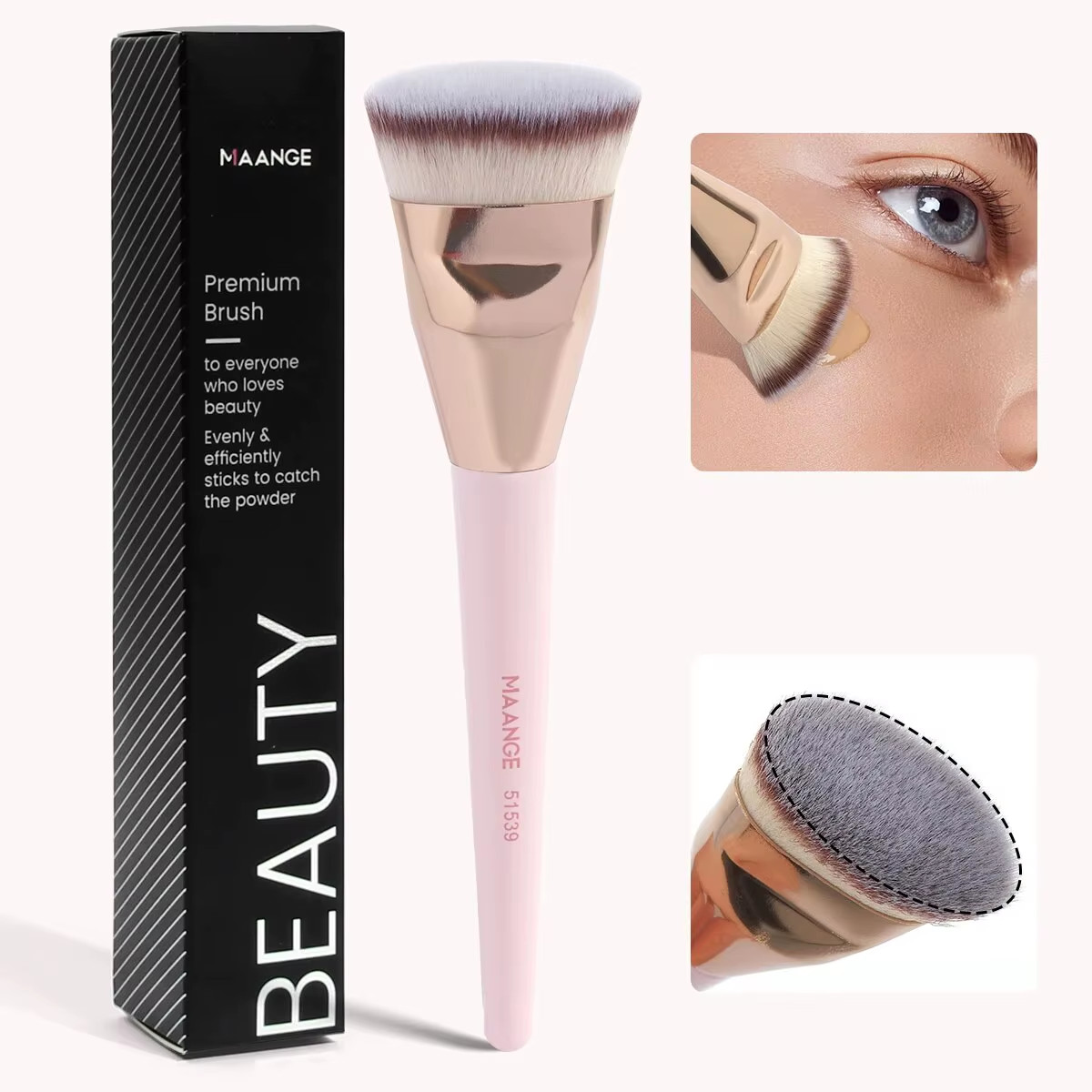 Flat Round Foundation Brush with Box Powder Blush Concealer Makeup Brush$11.95
 View on eBay
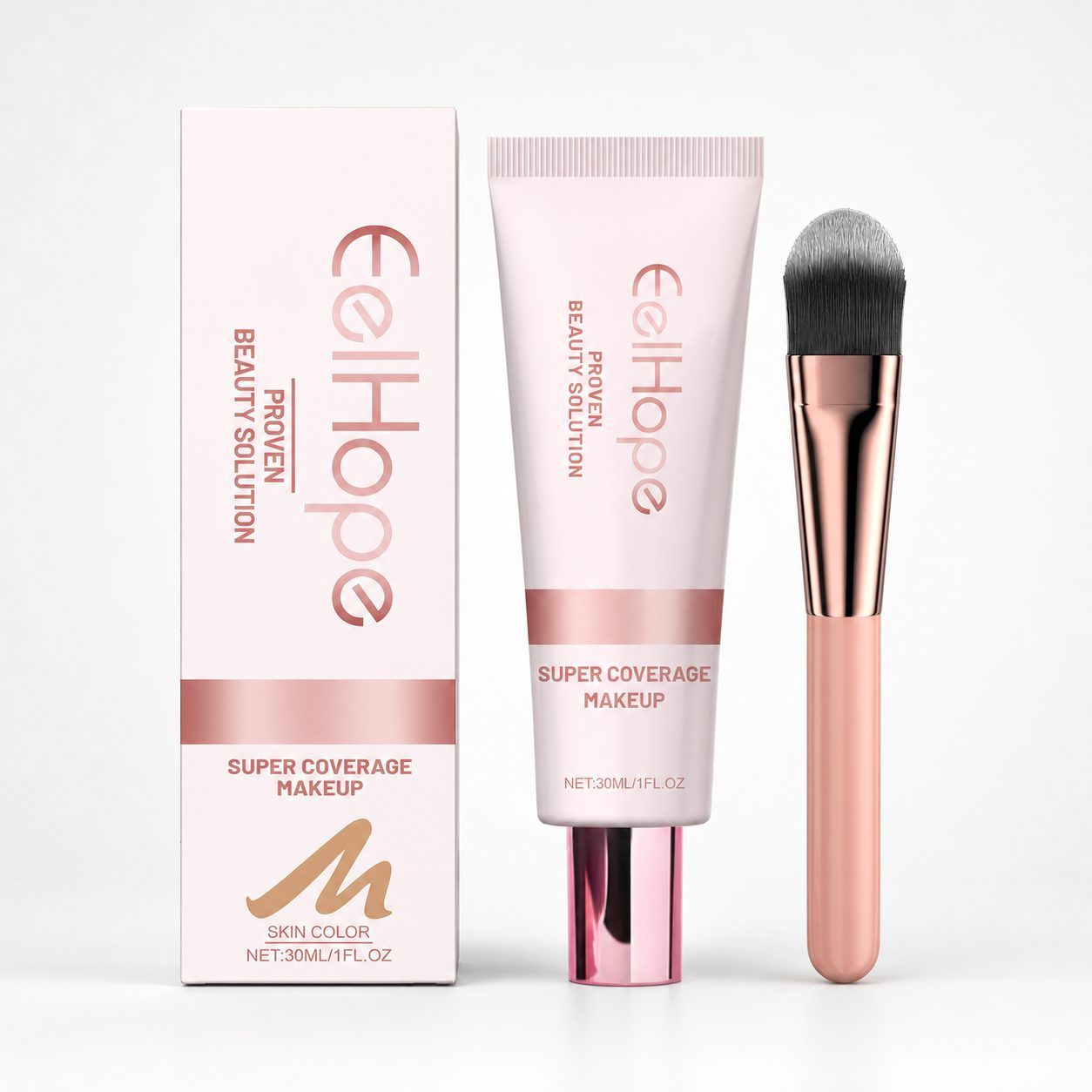 EELHOPE Concealer Foundation Liquid with Brush, Skin Tone, 1 Pieces$14.99
 View on Mallflare
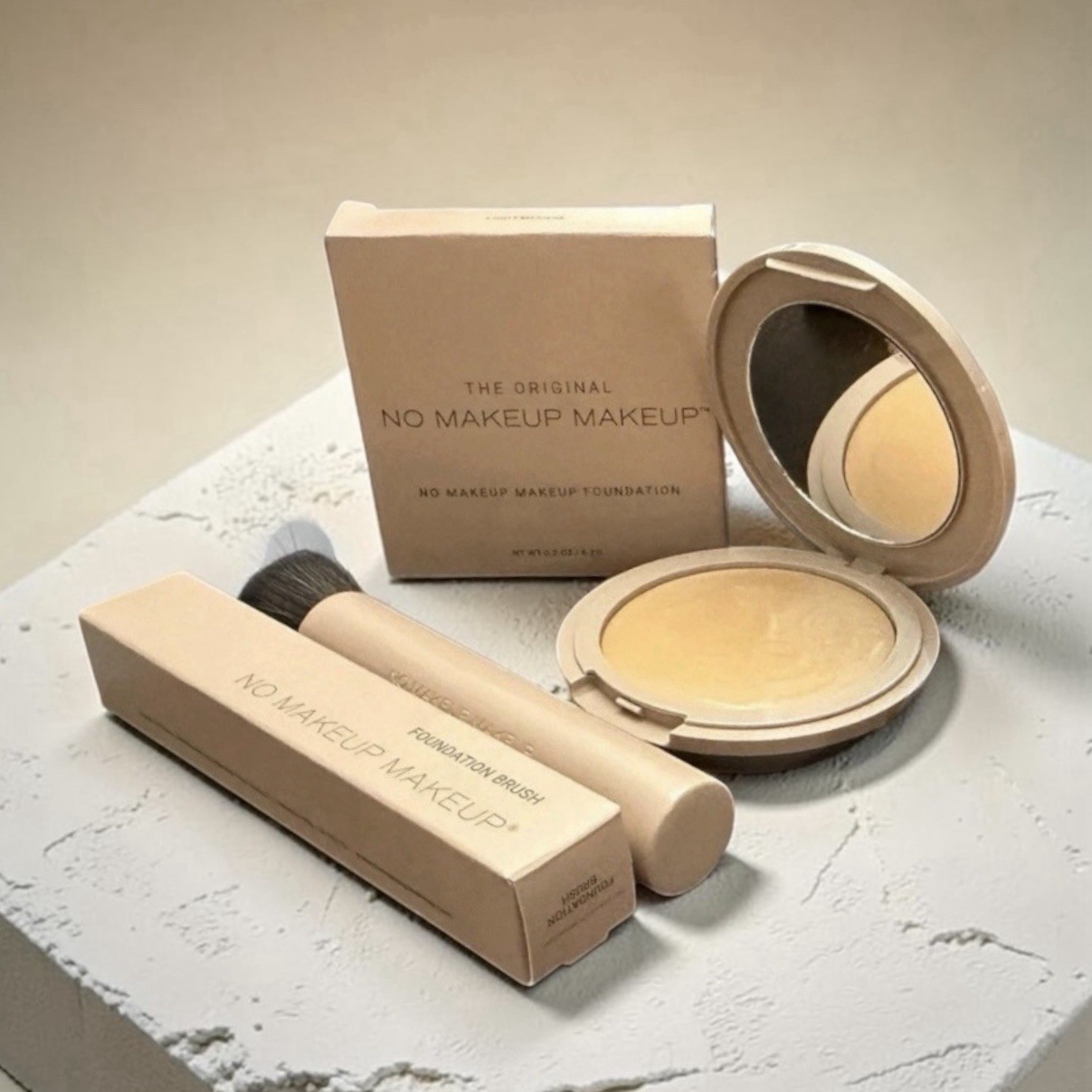 The Original No Makeup Makeup LIGHT MEDIUM Foundation & Brush FlexShade Damaged$29.99View on eBay
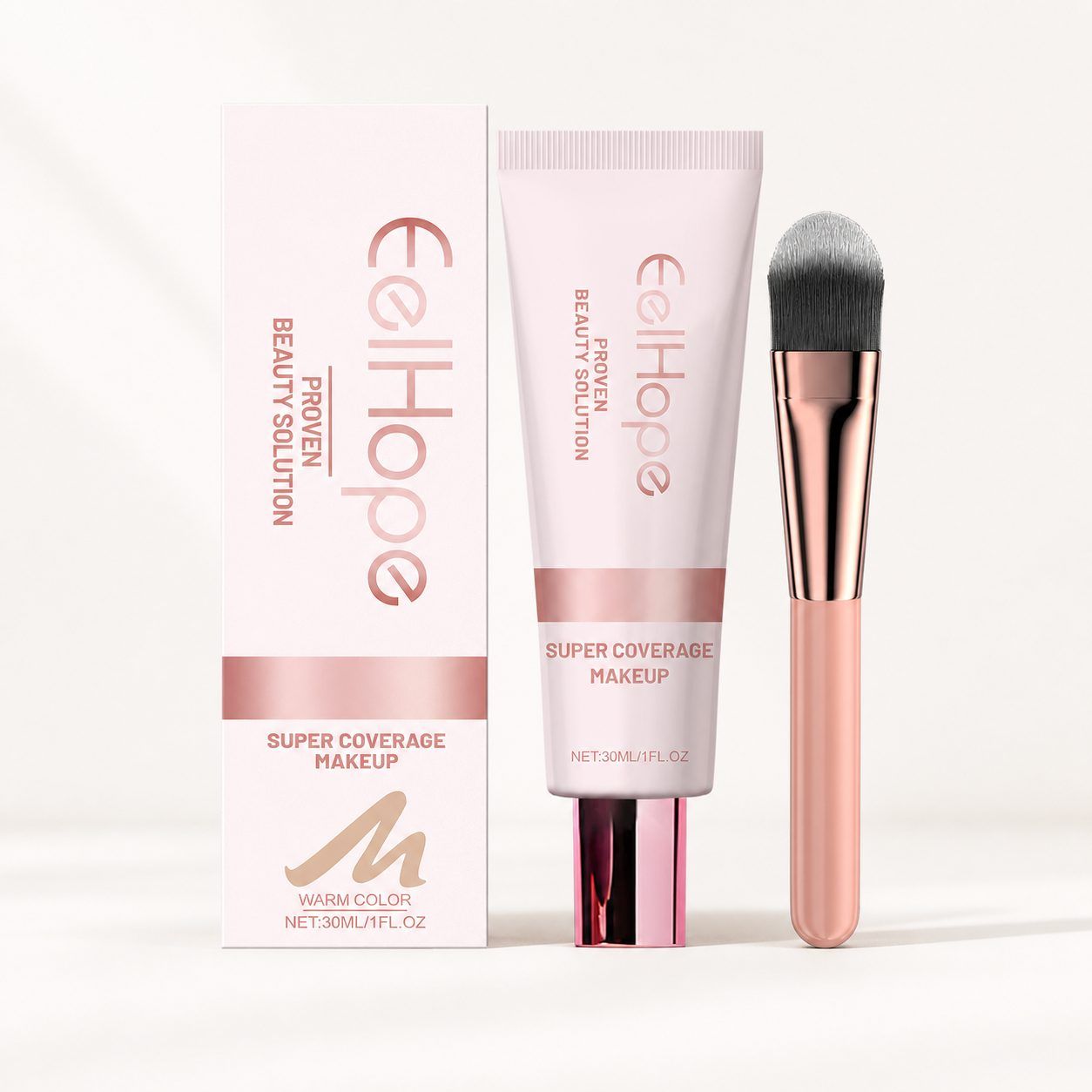 EELHOPE Brush-Applicator Concealer Foundation, Natural, 1 Piece$14.99View on Mallflare
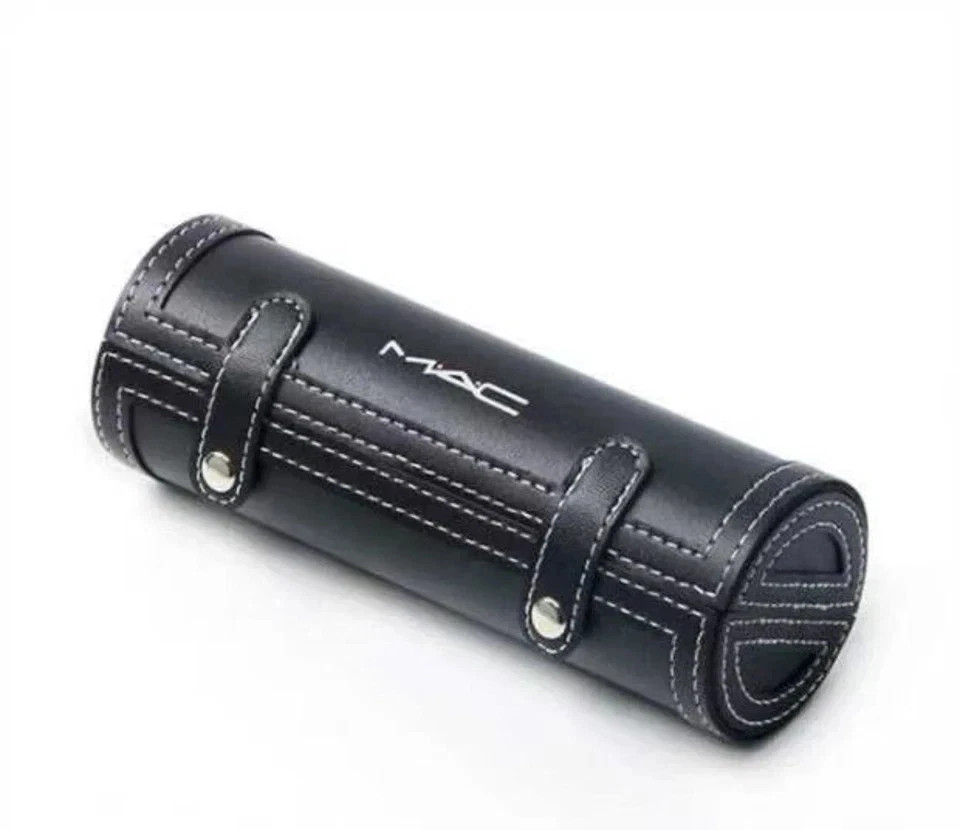 Mac Makeup Set Professional 9wool Brush Set Blush eyeshadow Foundation Mirror$21.79View on eBay
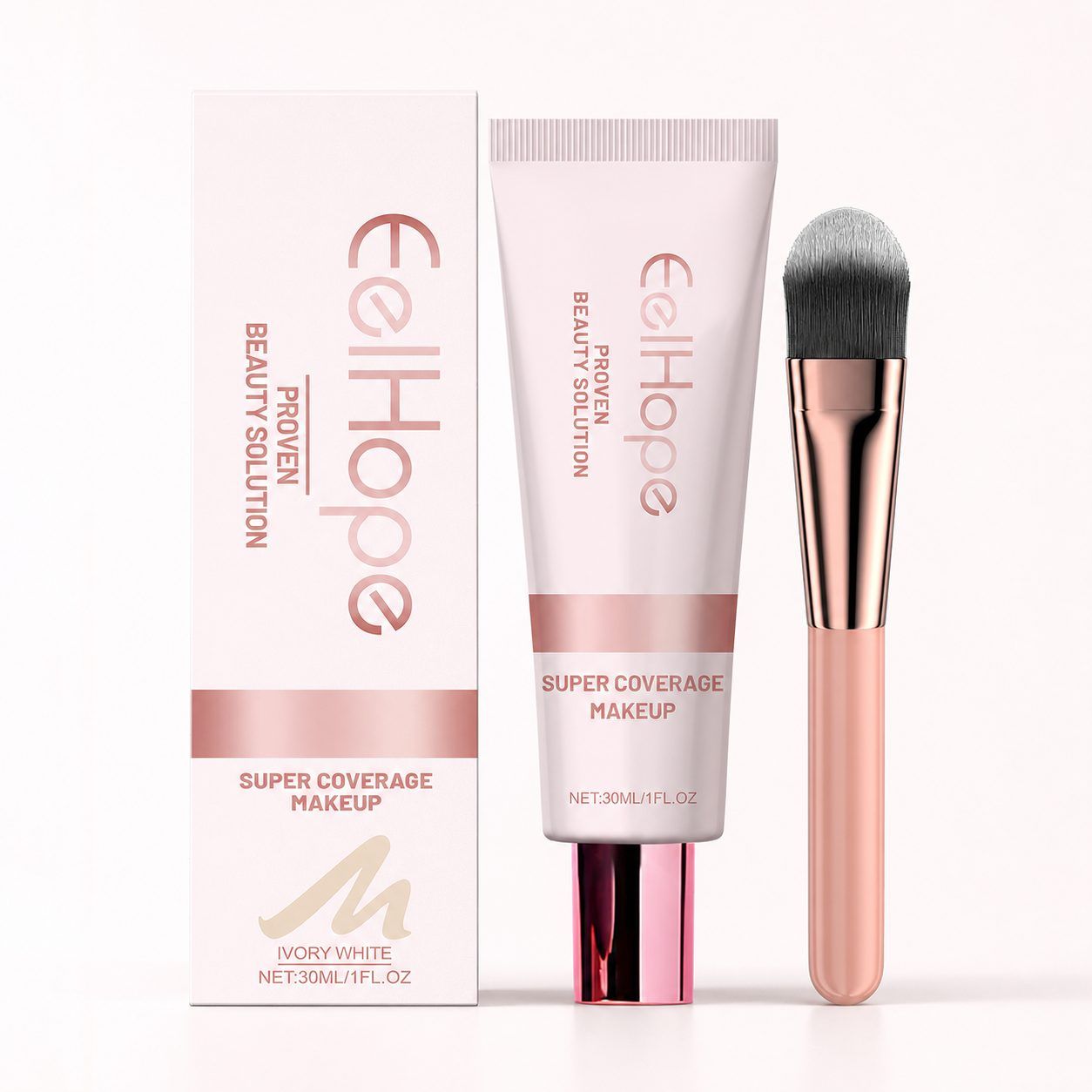 EELHOPE Brush-Applicator Concealer Foundation Liquid, Ivory, 1 Pieces$14.99View on Mallflare
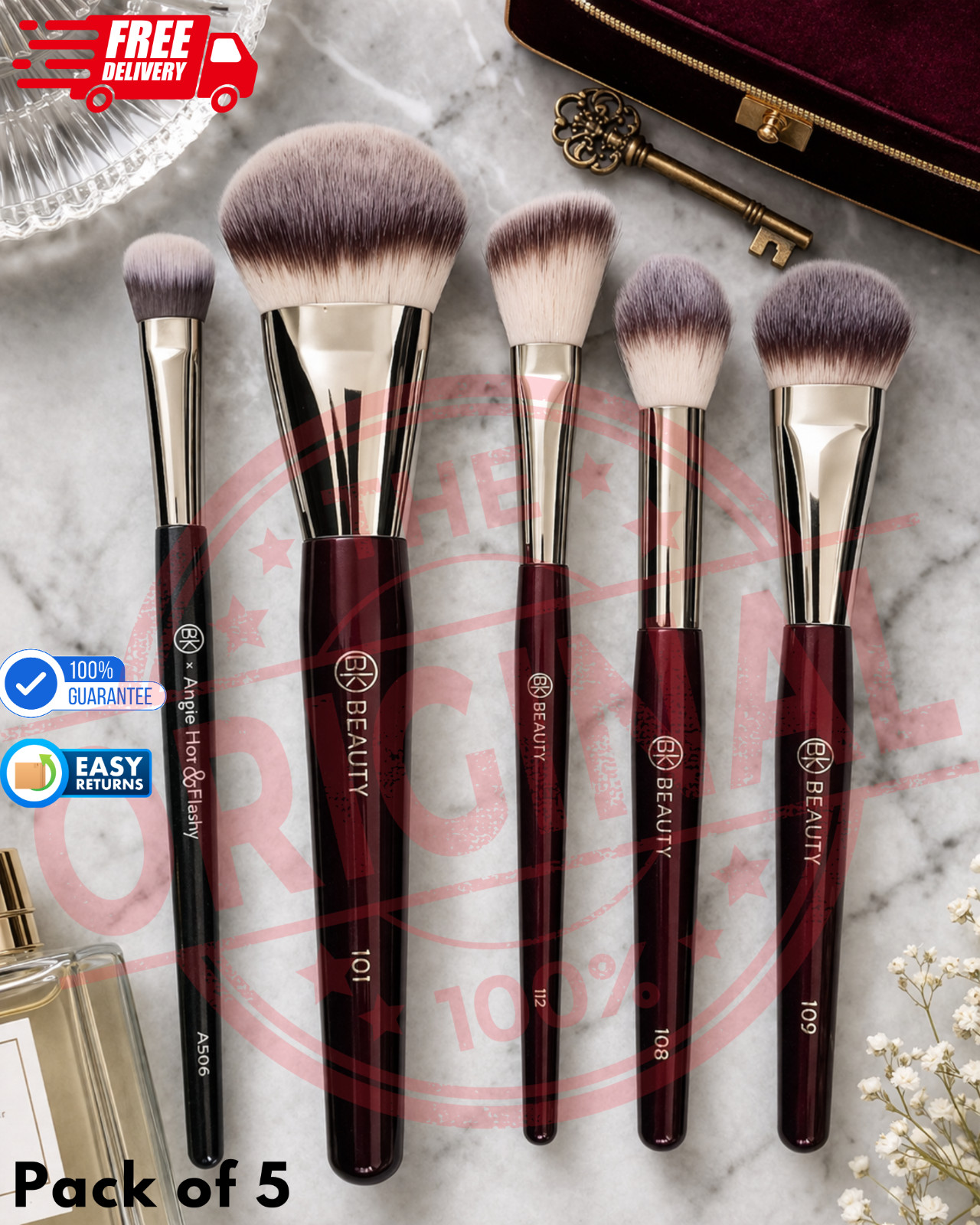 BK Beauty 5pc Brush Set 101 A506 Kitten Paw 108 109 112 Foundation Concealer Kit$32.20View on eBay
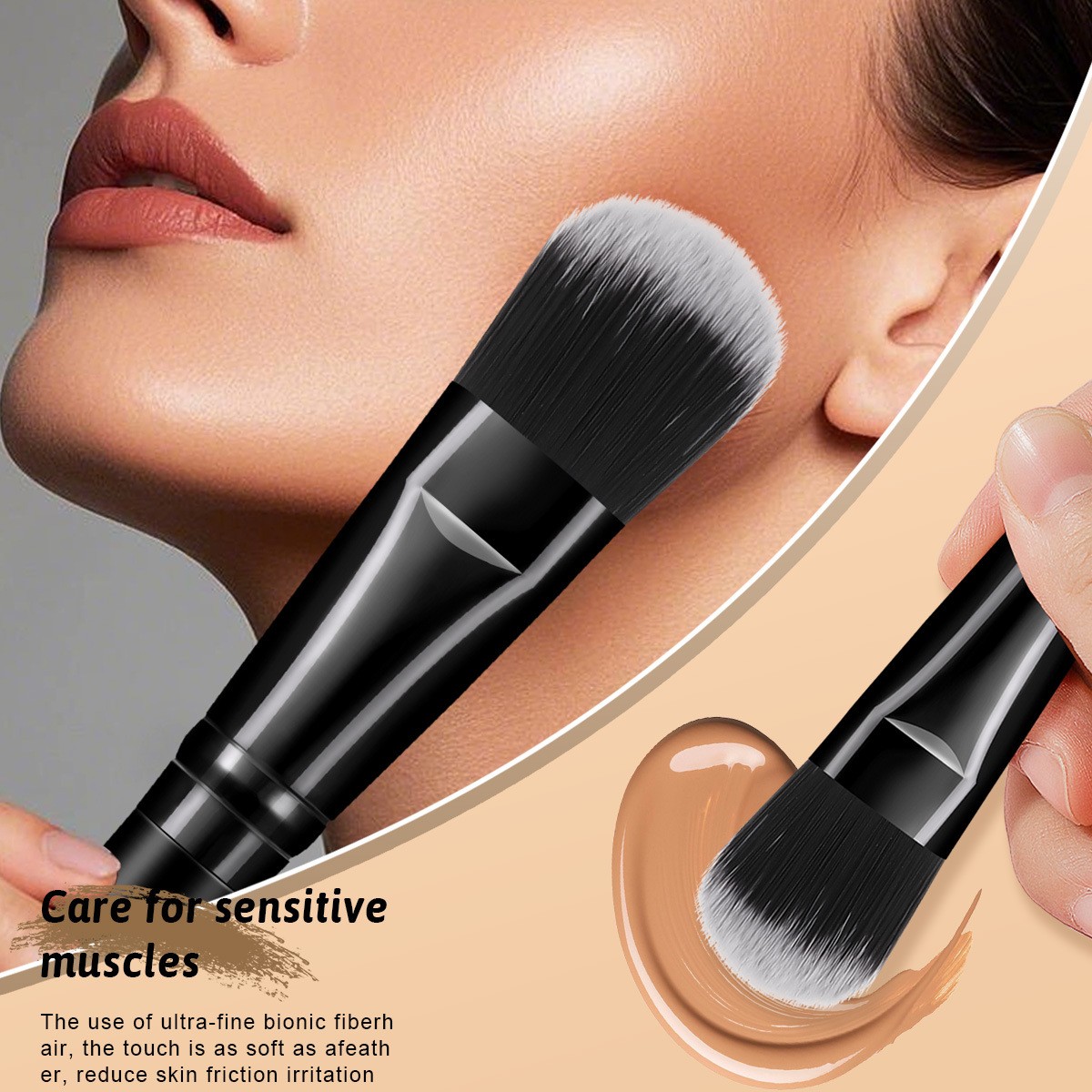 Premium 25PCS Makeup Brush Set Foundation Contour Blush Cosmetic Beauty Tools$30.99View on Mallflare
 Complete Makeup Kit for Women - Foundation, Eyeshadow Palette, Brushes & Gift Se$59.99View on eBay
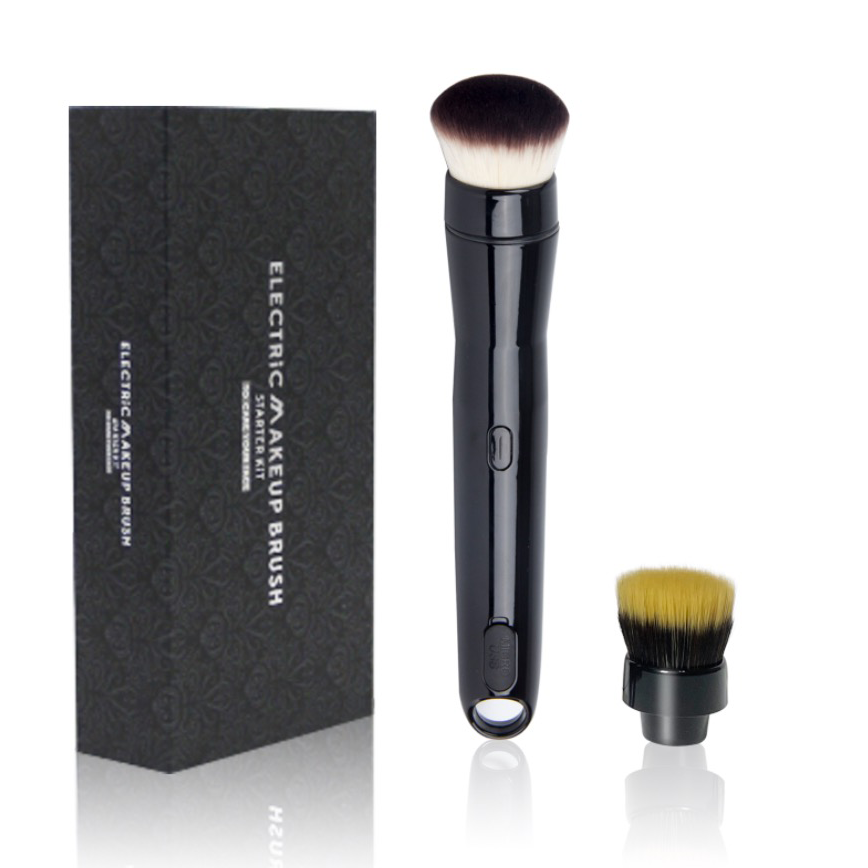 Popular Makeup Tools Portable Travel Cosmetic Electric Handle Brushes Blush Powder Foundation Single Brush$31.99View on Mallflare
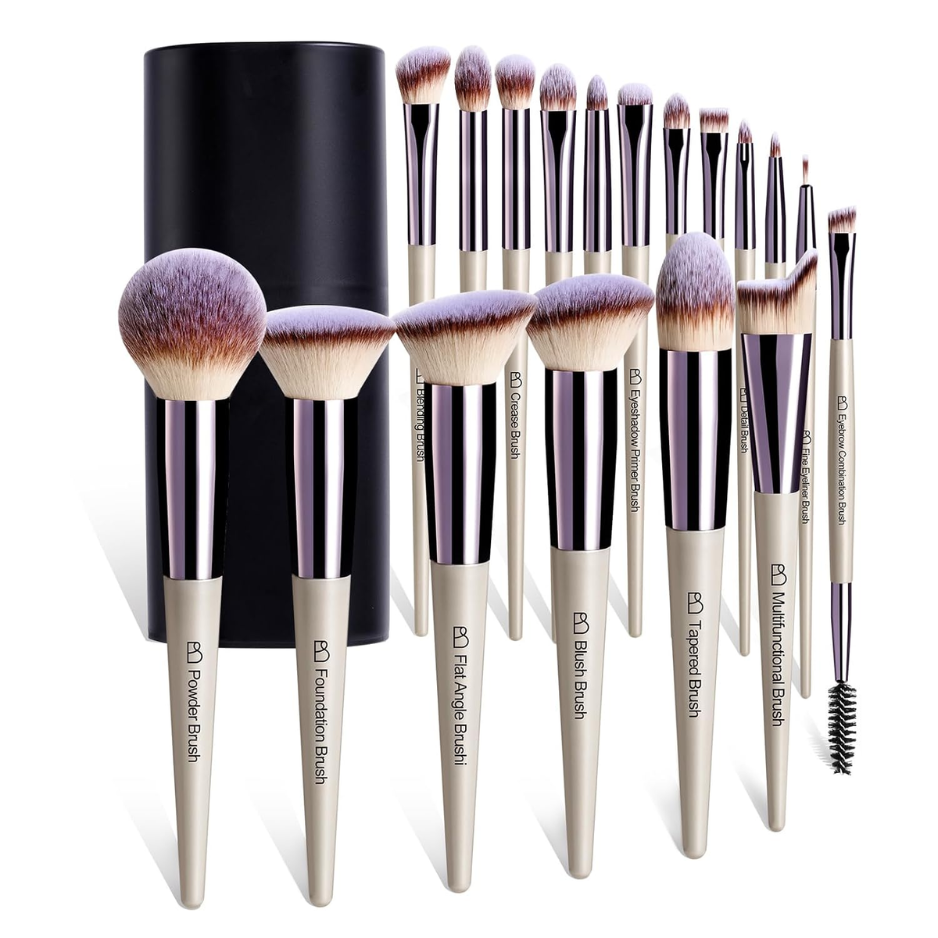 18PCS Professional Makeup Brush Set, Foundation, Powder, Concealer, Eyeshadow & Blush Brushes With Black Storage Case$49.99View on Mallflare
Highlights
- Synthetic filaments (taklon, nylon, polyester) are non-porous and safe for water-based and silicone-based liquids; natural hair absorbs product and sheds.
- Density beats softness: a tightly packed flat-top or round buffer holds shape and resists splaying; loose, fluffy brushes streak liquid foundation.
- Ferrule crimping matters: a double-crimped metal ferrule with epoxy seals the bristles; glued-only ferrules shed within weeks of washing.
- Handle material is cosmetic: wood, plastic, and metal handles all work; the weight and balance point determine control more than the finish.
Best use cases
- Best for liquid or cream foundation: a dense synthetic flat-top or round buffer—skip natural-hair brushes, which absorb liquid and apply unevenly.
- Best for powder or mineral foundation: a natural-hair or synthetic duo-fiber brush with a fluffier head; skip dense buffers, which pick up too much powder.
- Best for concealer or spot work: a small tapered synthetic brush; skip large foundation brushes, which smear under-eye product.
- Best for beginners or travel: a single synthetic buffing brush with a short handle; skip 18–25-piece sets, which add unused eye and brow tools.
Buying tips
- For liquid foundation, choose a synthetic brush with a flat or domed head at least 25 mm wide; smaller heads take longer to buff and can streak.
- Check ferrule construction: double-crimped metal with epoxy is durable; plastic ferrules crack and loose bristles shed into foundation.
- Synthetic bristles should be dense enough that the head holds its shape when pressed; if the bristles splay easily, the brush is too loosely packed.
- For cream or stick foundation, use a stippling or duo-fiber synthetic brush; flat buffers can drag and leave brush marks on thicker formulas.
Specs
| Bristle Type | Synthetic (liquid/cream) vs Natural (powder) |
|---|---|
| Head Shape | Flat buffer / Round / Tapered / Stippling |
| Ferrule | Double-crimped metal vs Plastic / Glued |
| Head Width | 20–35 mm full-face; under 20 mm detail |
Related searches
What to check before buying
- Match brush head size to face size: a 25–35 mm wide head for full-face buffing, under 20 mm for concealer and detail.
- Confirm bristle type is synthetic if you use liquid or cream foundation; natural hair is for powder only.
- Check handle length: full-size handles (15–18 cm) suit vanity use; travel or short handles suit kits and on-the-go application.
- Verify ferrule is metal and double-crimped, not plastic or glued; this determines shedding and lifespan.
FAQ
Data sources: eBay / Amazon listings and product attribute feeds Data updated Nov 15, 2026.
Some links on this page are affiliate links. If you buy after clicking one, we may earn a commission at no extra cost to you. This does not change which products appear here or their order. Affiliate disclosure.