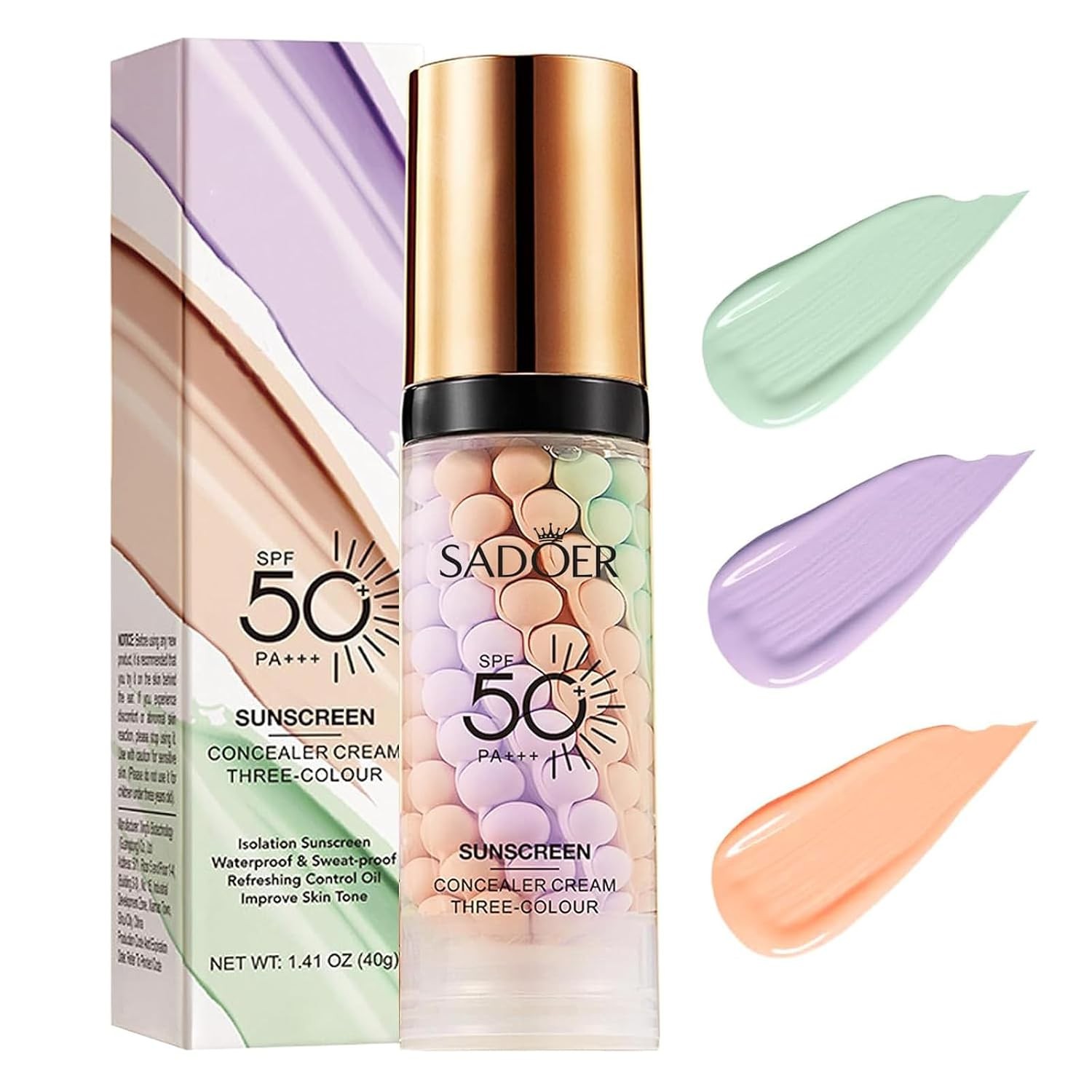

Photos from current listings. Actual item, color, and included accessories may vary.
Face Primer Buying Guide
Face primer is a cosmetic base coat that preps skin for foundation by smoothing texture, extending wear, and balancing oil or hydration. The critical trade-off is silicone-heavy formulas (best for blurring and grip) versus water-based formulas (best for breathability and sensitive skin). The decision rule: match primer base to foundation base—silicone primer with silicone foundation, water primer with water foundation—or risk pilling and separation.


At a glance
- Category
- Makeup
- Data updated
- Nov 15, 2026
Current offers
Highlights
- Silicone-based primers create an occlusive film that fills pores and extends foundation wear by 4–8 hours; water-based primers rely on hydration and grip polymers with lighter blurring.
- SPF in primer is supplementary only—a 3-in-1 SPF 50 primer delivers sun protection at labeled dosage but insufficient for full-face coverage unless applied generously.
- Color-correcting primers use chromatic neutralization: green cancels redness, peach/apricot corrects dark circles, lavender brightens sallow tones—layer under or instead of foundation.
- Pore-blurring primers use dimethicone and silica microspheres to optically diffuse texture; hydrating primers use glycerin and hyaluronic acid to plump dry patches.
Best use cases
- Choose a silicone-based blurring primer if you wear long-wear silicone foundation and need pore smoothing for photo or event makeup; skip water-based primers that cause pilling on oily zones.
- Choose a hydrating water-based primer if you have dry or mature skin and wear serum foundations; skip silicone primers that emphasize flaking and dry patches.
- Choose an SPF 50 3-in-1 primer only as a midday touch-up or base layer for minimal-coverage days; skip it as your sole sunscreen for outdoor exposure over 2 hours.
- Choose a green color-correcting primer for rosacea or redness-prone cheeks; choose peach for under-eye darkness; skip universal clear primers if correction is your primary goal.
Buying tips
- Match primer and foundation base: If foundation lists water as first ingredient, use water-based primer; if it lists dimethicone or cyclopentasiloxane first, use silicone primer.
- For pore blurring, look for dimethicone or silica as top ingredients; for oil control, seek silica or kaolin; for hydration, glycerin or hyaluronic acid near top.
- SPF in primer is measured at 2 mg/cm²—apply a nickel-sized amount to face for labeled SPF 50; less application delivers proportionally lower protection.
- Water-based primers work best applied with fingertips to warm the formula; silicone primers apply best with a damp sponge or brush for even film without over-blurring.
Specs
| Primer Base | Silicone / Water / Oil |
|---|---|
| Primary Function | Blurring / Mattifying / Hydrating |
| Color Correction | Green / Peach / Lavender / Clear |
| SPF Rating | None / SPF 15–50 (supplementary) |
Related searches
What to check before buying
- Identify your foundation's base (water vs silicone vs oil) by reading the first 3 ingredients—this determines which primer base will layer without pilling.
- Determine your primary concern: pore size, oil control, hydration, redness, or dullness—each maps to a specific primer formula type (blurring, mattifying, hydrating, color-correcting, brightening).
- Check your skin sensitivity: silicone primers can clog acne-prone skin; water-based primers with fragrance or alcohol can irritate sensitive skin—patch test on jawline for 24 hours.
- If using SPF primer, confirm it is broad-spectrum and plan additional sunscreen (SPF 30+) for extended outdoor exposure—primer SPF is supplementary, not standalone.
FAQ
Data sources: eBay / Amazon listings and product attribute feeds Data updated Nov 15, 2026.
Some links on this page are affiliate links. If you buy after clicking one, we may earn a commission at no extra cost to you. This does not change which products appear here or their order. Affiliate disclosure.