Photos from current listings. Actual item, color, and included accessories may vary.
Bronzer Buying Guide
Bronzer is a warmth-and-dimension product available in powder, cream, and stick formats, where the core trade-off is pigment payoff versus blendability and undertone accuracy. The decisive rule: choose a formula whose undertone (neutral-warm, olive, or red) matches your skin's depth and a texture that suits your skin type—powder for oily skin, cream/stick for dry skin—rather than chasing shade names.

At a glance
- Category
- Makeup
- Data updated
- Nov 15, 2026
Current offers
 tarte Glow Wardrobe Palette Highlighter Blush Bronzer Eyeshadow Full Size New$11.89
 View on eBay
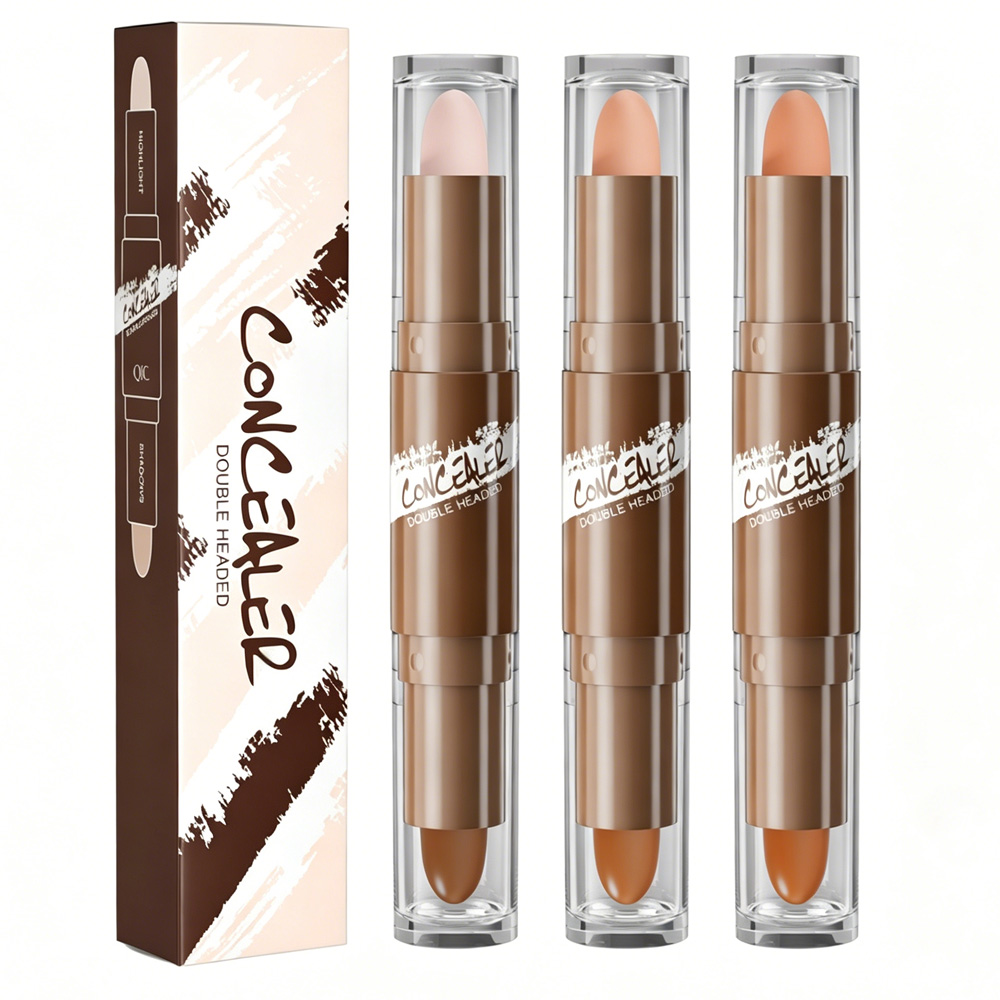 3PCS Dual-Ended Contour Stick, 2-in-1 Highlighter & Bronzer Waterproof Long-Lasting And Highlight Makeup Pen$19.99
 View on Mallflare
- tarte Glow Wardrobe Palette Highlighter Blush Bronzer Eyeshadow Full Size New$11.89View on eBay
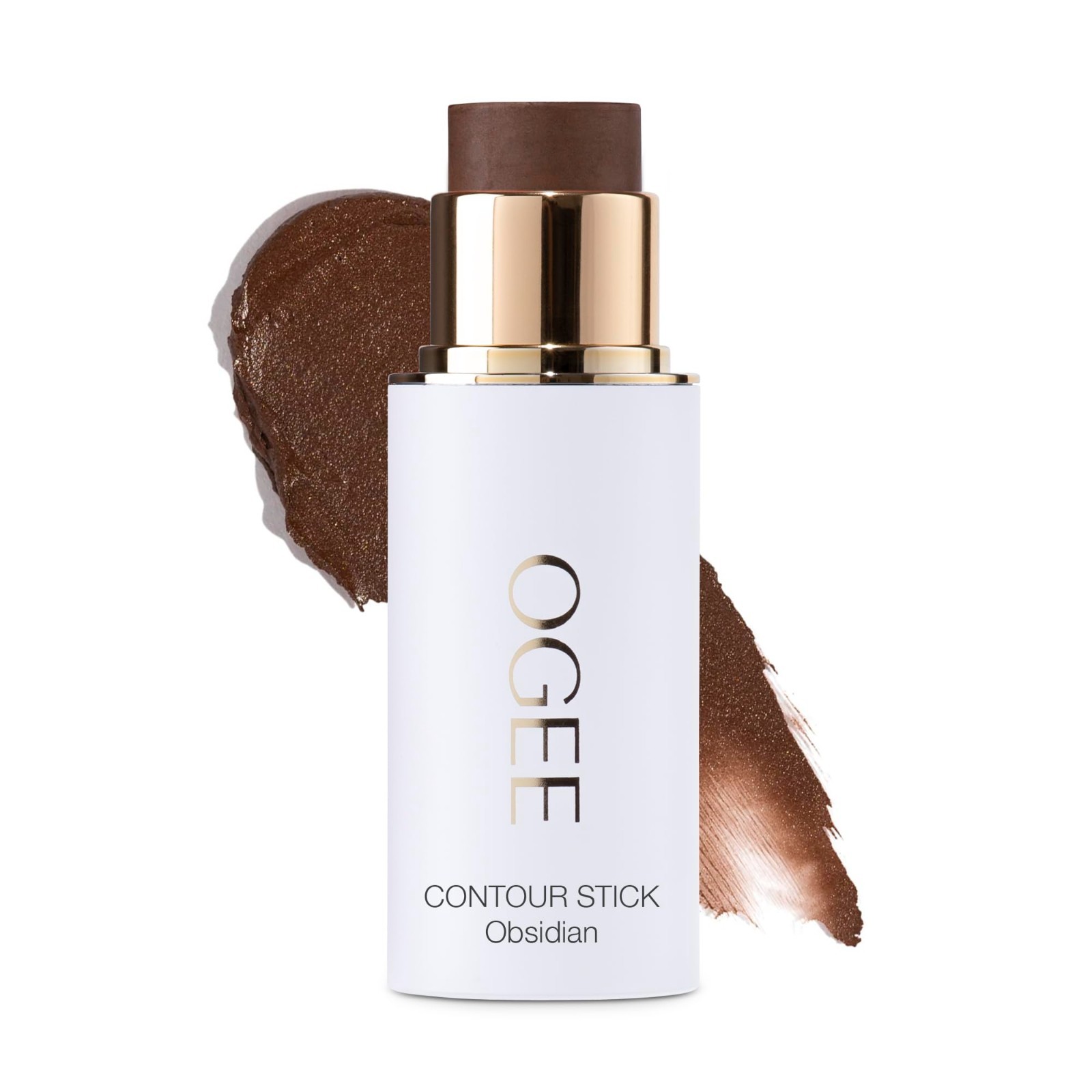 Sculpted Bronzer Stick - Matte Deep Bronze, Organic Contour Makeup, Multi-Use Fa$83.99View on eBay
Highlights
- Powder bronzers use talc or mica bases with buildable pigment; pressed powders suit oily skin and large-area warmth, while baked or domed powders give sheerer, harder-to-overdo payoff.
- Cream and stick bronzers rely on wax and oil binders (often shea or coconut derivatives) for slip and dew; they blend with fingers but can migrate on oily skin without setting powder.
- Undertone is the make-or-break variable: neutral-warm bronze flatters most skin, olive-gold suits medium-deep warm skin, and red/terracotta bronzers read as blush on fair skin.
- Palette and multi-use formats bundle bronzer with blush and highlight, which saves space but forces compromise on undertone match if the bronzer pan is too warm or too deep.
Best use cases
- Fair skin (Fitzpatrick I-II): pick a sheer, neutral-warm powder or cream one to two shades deeper than skin—skip deep 'bronze' or terracotta shades that turn orange or muddy.
- Medium-to-deep skin (Fitzpatrick IV-VI): choose rich, pigment-dense cream or powder bronzers with olive or red-brown undertones; sheer 'universal' bronzers often disappear or turn ashy.
- Oily or humid-climate skin: pressed powder bronzer set with translucent powder lasts; skip oil-heavy stick bronzers unless you set them, as they slide and crease.
- Dry or mature skin: cream and stick bronzers blend without emphasizing texture; skip matte pressed powders that can cling to dry patches.
Buying tips
- Match depth: choose a bronzer one to two shades deeper than your foundation—more than two shades reads as contour or dirt, especially on fair skin.
- Read undertone first: neutral-warm and golden-olive bronzers flatter most; avoid red-based bronzers on fair skin and gray-based 'ashy' bronzers on deep skin.
- Powder for oil control and longevity; cream/stick for glow and dry skin—dual-ended contour sticks combine both but check the bronzer end's undertone, not just the highlight.
- Multi-use palettes are best when the bronzer pan is neutral-warm and buildable; skip palettes whose bronzer is a deep contour shade if you are fair.
Specs
| Format | Pressed powder / cream / stick |
|---|---|
| Undertone | Neutral-warm / olive / red |
| Skin Type Fit | Powder oily; cream dry |
| Depth Range | 1-2 shades deeper than skin |
Related searches
What to check before buying
- Know your Fitzpatrick depth and undertone (warm, cool, neutral, olive) before selecting a shade tier.
- Confirm your skin type: oily skin needs powder or set cream; dry skin benefits from cream/stick emollients.
- Check the format: pressed powder needs a fluffy brush; cream/stick can apply with fingers but may need a dense brush for buffing.
- For palettes, verify the bronzer pan size and shade relative to the blush/highlight—small deep bronzer pans rarely suit fair skin.
FAQ
Data sources: eBay / Amazon listings and product attribute feeds Data updated Nov 15, 2026.
Some links on this page are affiliate links. If you buy after clicking one, we may earn a commission at no extra cost to you. This does not change which products appear here or their order. Affiliate disclosure.