Photos from current listings. Actual item, color, and included accessories may vary.
Detangling Brush Buying Guide
A detangling brush is a wide-tooth or flexible-bristle tool engineered to separate knots with minimal breakage, and the core trade-off is bristle flex versus grip: soft nylon/boar blends glide through fine hair, while firm nylon or metal pins power through thick curls. The decision rule is simple: match bristle spacing and flex to your curl pattern and hair density, and skip any brush with rigid, sharp-tipped pins or glued-in bristles that shed.


At a glance
- Category
- Hair Styling Tools
- Data updated
- Nov 15, 2026
Current offers
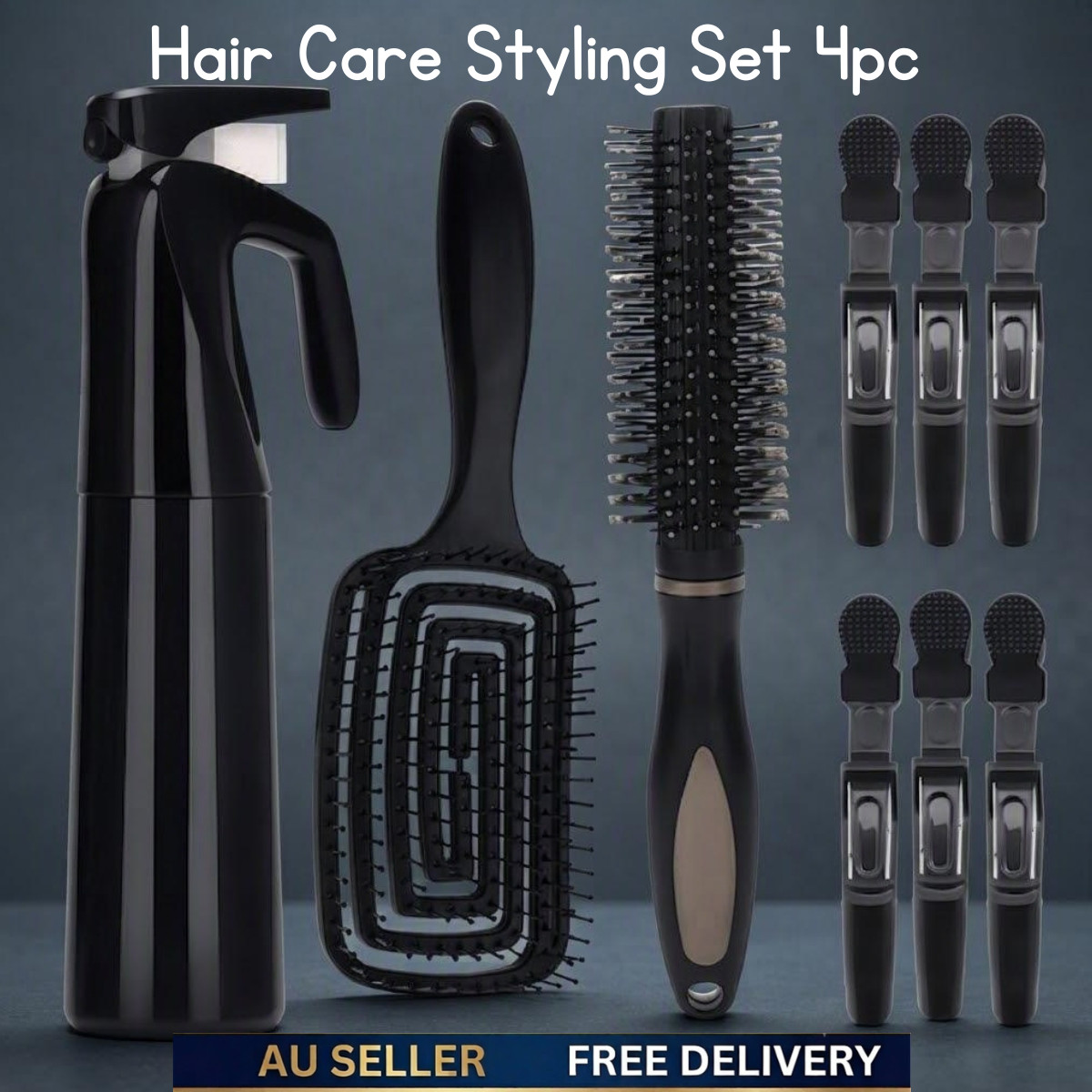 4 Piece Hair Styling Tool Set Detangling Brush Round Brush Hair Clips Bottle$45.98
 View on eBay
 Conair Salon Results Hair Brush, Detangling Hair Brush for Men and Women,...$9.74View on eBay
 1 pc Wide Tooth Hair Comb Volume Styling Detangling Root Lift Tool$10.49View on eBay
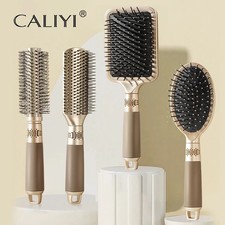 CALIYI Hair Brush Anti Static Massage Air Cushion Comb Detangling Styling Tool$15.99View on eBay
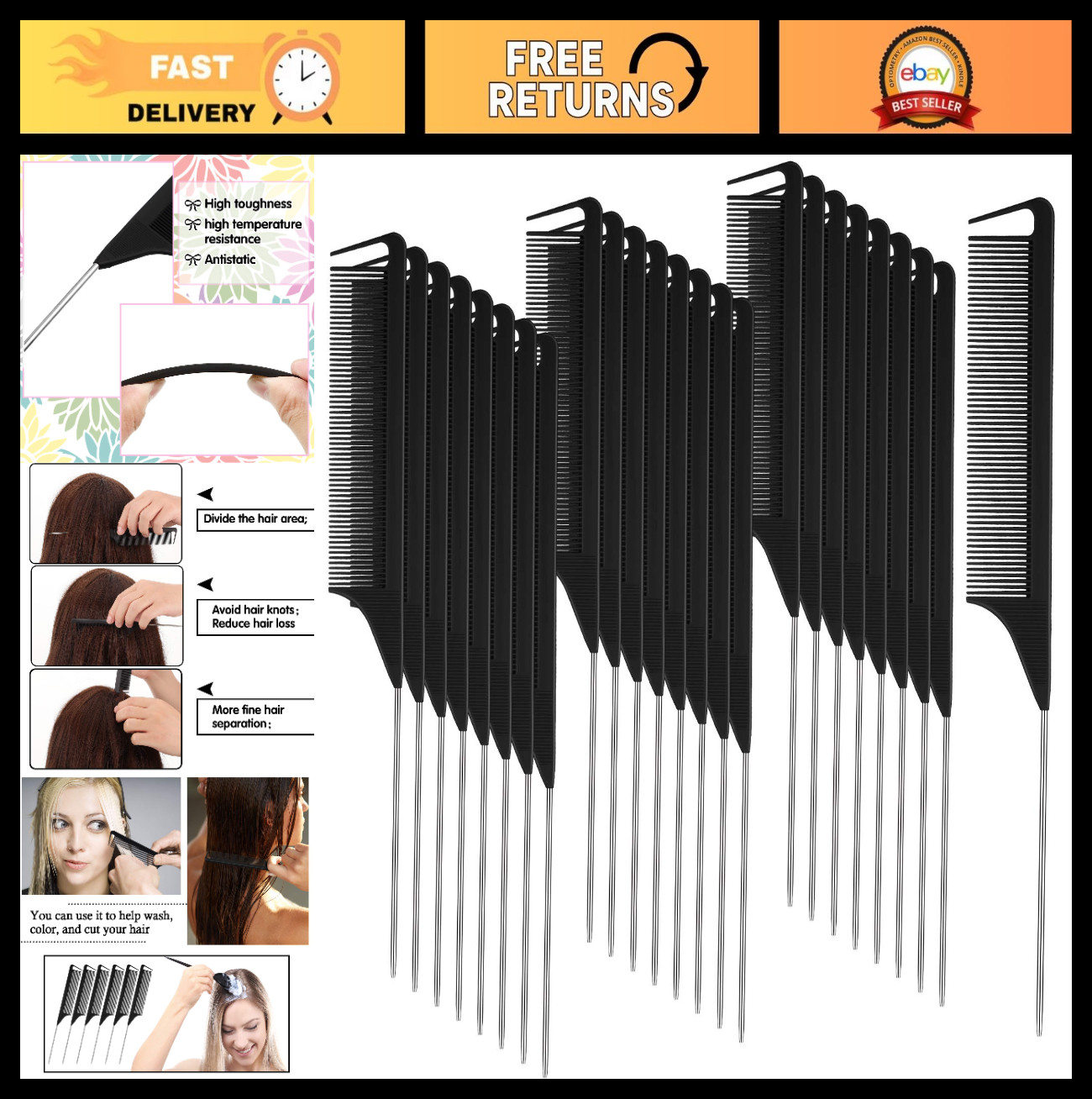 30 Pcs Rat Tail Steel Combs Set - Fine Tooth Teasing & Detangling Tools for Salo$33.99View on eBay
Highlights
- Bristle flex separates detangling brushes: soft nylon tips (0.6-0.8 mm) suit fine hair, while firm 1.0-1.2 mm nylon or stainless pins handle dense curls without bending.
- Wet-brush architectures use vented, flexible thermoplastic bodies that flex 15-30 degrees to distribute force across knots instead of yanking from the root.
- Cushion (air-cushion) bases with a silicone membrane and a vent hole equalize pressure and let water and product escape; glued non-cushion bases crack and shed bristles.
- Boar-bristle blends (typically 70/30 nylon-to-boar) polish and distribute sebum, but pure boar is too soft for wet detangling and should be a finishing pass only.
Best use cases
- Curly or coily hair (3A-4C): pick a vented wet brush with flexible nylon pins and no ball tips for wet detangling in the shower; skip stiff metal-pin brushes that snap curl clumps.
- Fine or thin hair: choose a wide-tooth comb or a soft nylon-tip brush with 8-10 mm spacing; skip dense boar brushes that flatten volume and cause static.
- Thick, straight, or long hair: a firm nylon-pin cushion brush or wide-tooth comb with 12 mm+ spacing detangles dry hair; skip mini travel brushes with short 5 mm pins that can't reach the underlayer.
- Kids' tangles: use a flexible wet brush with rounded nylon tips and a small oval head; skip metal rat-tail combs, which scratch scalps and shred fine hair.
Buying tips
- Match pin length to hair length: 10-12 mm pins reach the underlayer on shoulder-length hair; 15 mm+ pins are needed for hair past mid-back.
- For wet detangling, choose a brush labeled 'wet' with vented back and flexible pins; dry-only cushion brushes absorb water into the cushion and grow mildew.
- Bristle count matters less than spacing: 8-10 mm spacing for fine hair, 12-15 mm for thick/curly hair, and 3-5 mm for teasing or edge control.
- Check bristle attachment: molded or vulcanized bristles in a single-piece cushion outlast glued tufts, which shed within months of wet use.
Specs
| Bristle Type | Flexible nylon / boar blend / metal pins |
|---|---|
| Pin Length | 8-15 mm (match to hair length) |
| Wet Use | Vented flexible body / dry-only cushion |
| Cushion Build | Molded bristles vs glued tufts |
Related searches
What to check before buying
- Measure your hair length and density: pin length must exceed 10 mm for shoulder-length hair and 15 mm for mid-back to reach tangles at the root.
- Confirm the brush is rated for wet use with a vented back if you detangle in the shower; non-vented cushions trap water and odor.
- Check handle material: rubberized or TPR grips stay secure with conditioner-slick hands; bare plastic handles slip.
- For curly hair, verify no ball-tip pins and flexible nylon bristles; ball tips snag curl clumps and cause frizz.
FAQ
Data sources: eBay / Amazon listings and product attribute feeds Data updated Nov 15, 2026.
Some links on this page are affiliate links. If you buy after clicking one, we may earn a commission at no extra cost to you. This does not change which products appear here or their order. Affiliate disclosure.