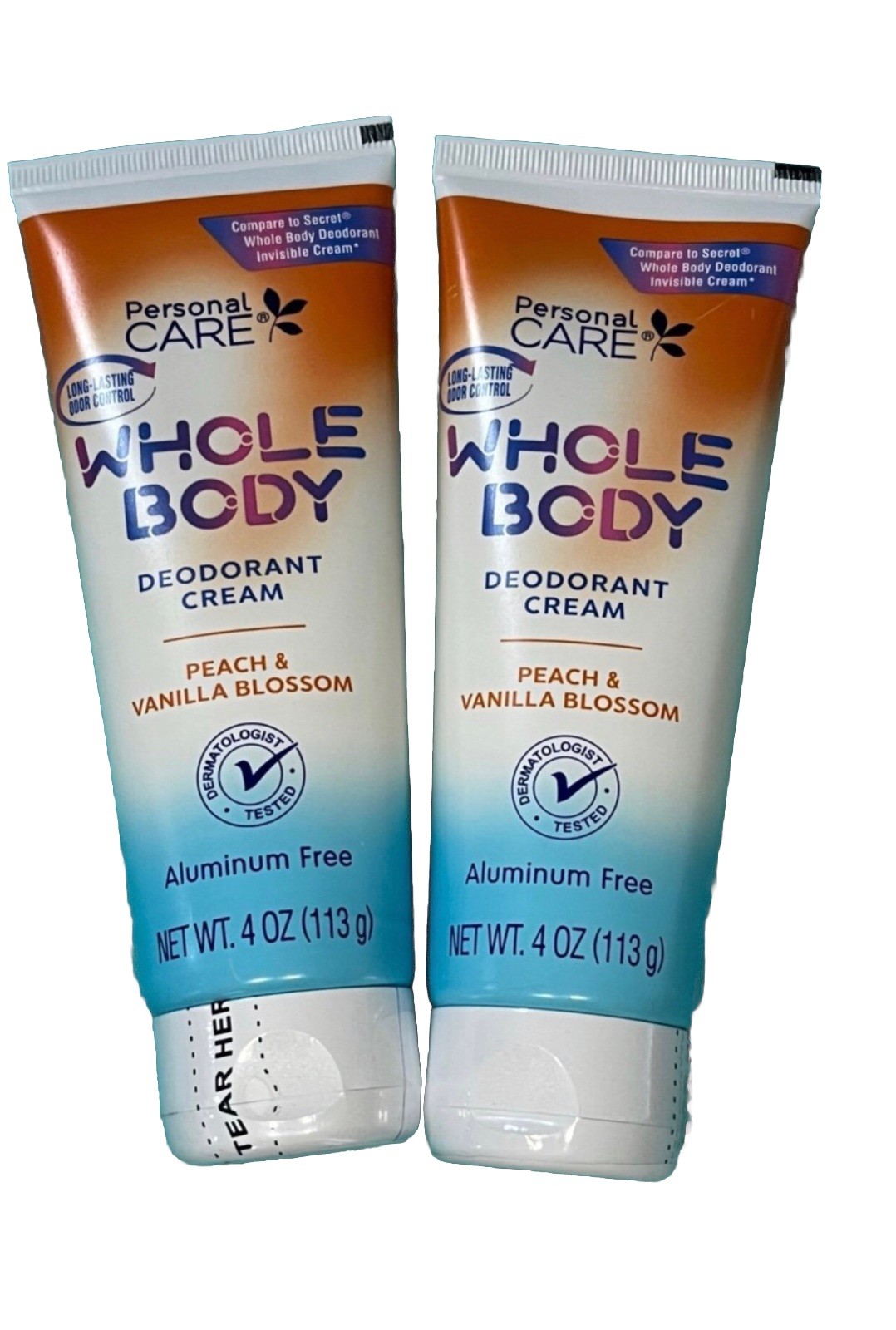

Photos from current listings. Actual item, color, and included accessories may vary.
Personal Care Whole Body Deodorant Cream Buying Guide
Whole body deodorant cream is a leave-on, skin-safe formula designed to neutralize odor on external body surfaces beyond the underarm, typically using acidifying or antimicrobial actives rather than aluminum antiperspirant salts. The core trade-off is between skin comfort (low-irritation pH, emollient base) and odor-control durability (active concentration, water resistance). Choose a cream with a declared active system and verified body-application guidance; skip vague 'natural' blends with no stated mechanism if you need all-day control.


At a glance
- Brand
- Not synced yet
- Model
- Not synced yet
- MPN
- Not synced yet
- Category
- Fragrance & Body Care
- Status
- Offers available
- Data updated
- Nov 15, 2026
Current offers
Highlights
- Whole-body creams rely on acidifying agents (e.g., alpha-hydroxy acids) or antimicrobials to lower skin pH and inhibit odor-causing bacteria, not on aluminum salts that block sweat ducts.
- Typical package size is 3.0 oz (about 85 g), which at a pea-to-dime-size dose per application yields roughly 60-90 full-body uses.
- Formula pH is the key durability metric: products buffered near skin pH 4.5-5.5 reduce irritation while still suppressing bacterial growth on external skin.
- Creams are water-based emulsions; they are not water-resistant unless explicitly labeled, so they suit daily wear better than swimming or heavy-sweat endurance.
Best use cases
- Best fit: daily odor control on underarms, underboob, thigh creases, and feet — pick a cream with a stated acidifying active and fragrance-free option for sensitive skin.
- Best fit: post-shower whole-body application for people who want a single product instead of separate deodorant and body powder.
- Wrong fit: swimming or high-sweat athletics where you need water-resistant antiperspirant action — choose an aluminum-based stick or spray instead.
- Wrong fit: broken, freshly shaved, or irritated skin — skip acidifying creams until the skin barrier is intact, or use a plain barrier ointment first.
Buying tips
- Match dose to surface area: a pea-size amount covers both underarms, while legs and torso need a dime-to-nickel-size amount per zone; a 3.0 oz jar lasts about 2 months at daily full-body use.
- Choose fragrance-free if applying to sensitive areas (groin, underboob); scented Peach + Vanilla-type variants are best reserved for limbs and feet.
- Check the active list: lactic acid, mandelic acid, or zinc ricinoleate indicate a real odor-neutralizing mechanism; products listing only essential oils are fragrance cover, not odor control.
- Prefer a cream with a stated pH or 'skin-pH balanced' claim; unbuffered acidic formulas below pH 3.5 increase sting risk on chafed skin.
Specs
| Active Mechanism | Acidifying (AHA) vs Antimicrobial |
|---|---|
| Formula pH | Skin-balanced 4.5-5.5 vs Unbuffered acidic |
| Package Size | 3.0 oz / 85 g typical |
| Fragrance Option | Fragrance-free vs Scented |
Alternatives to compare
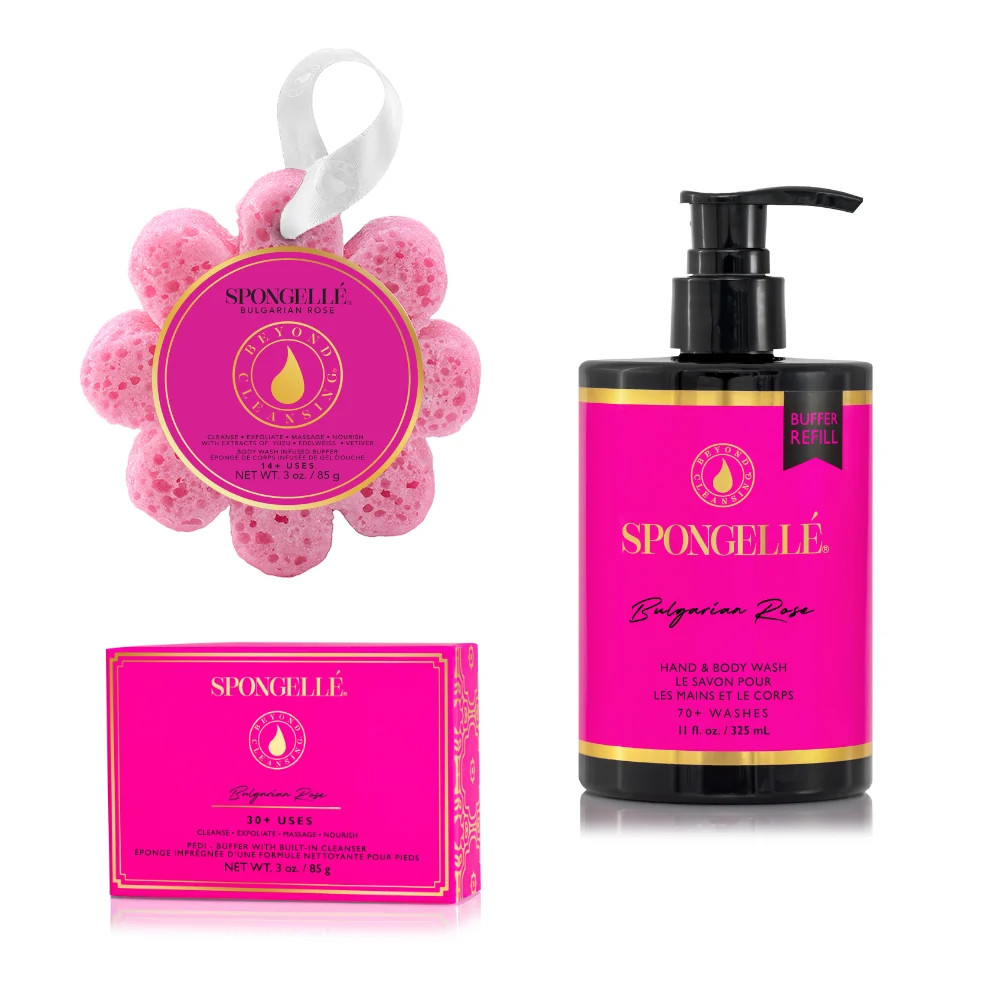
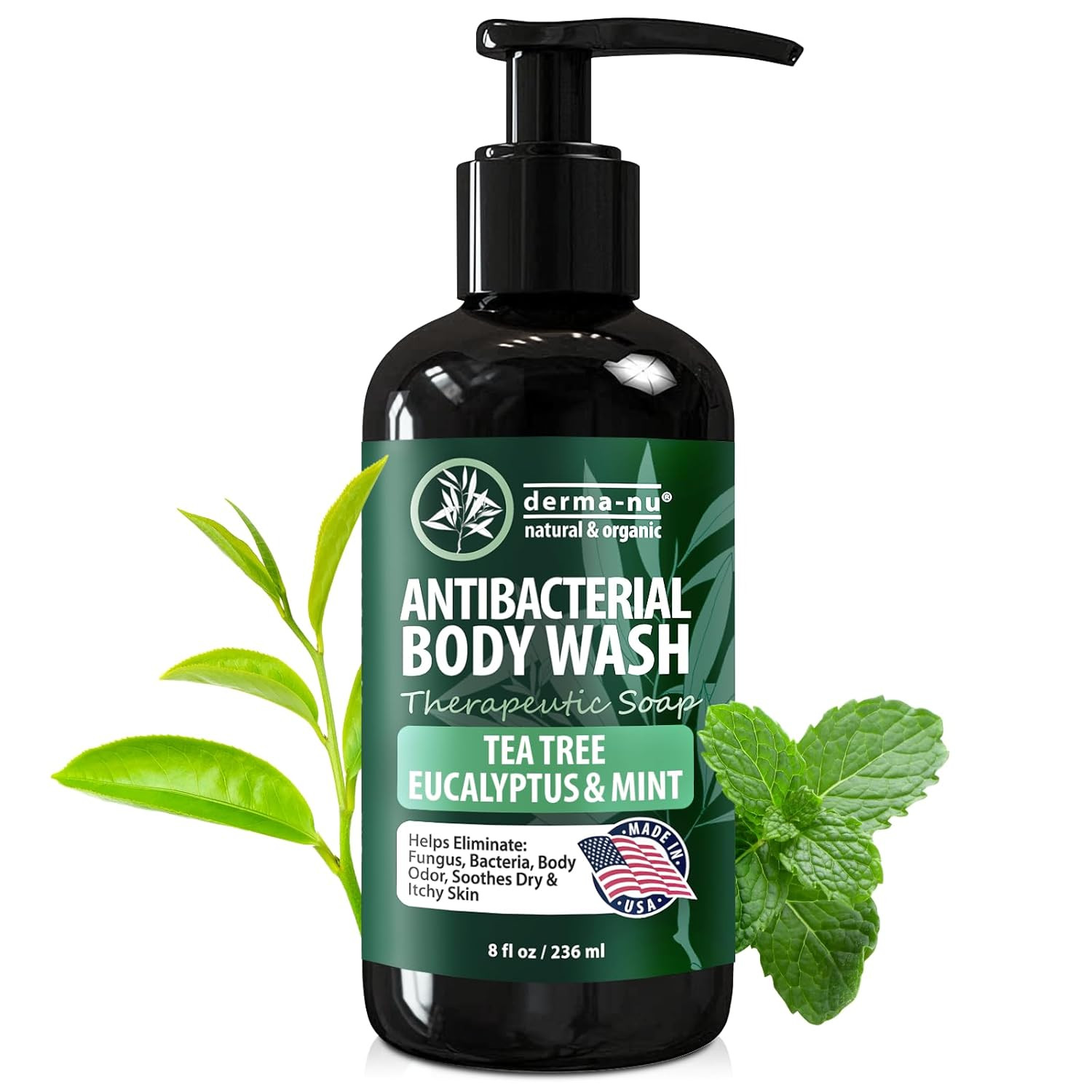
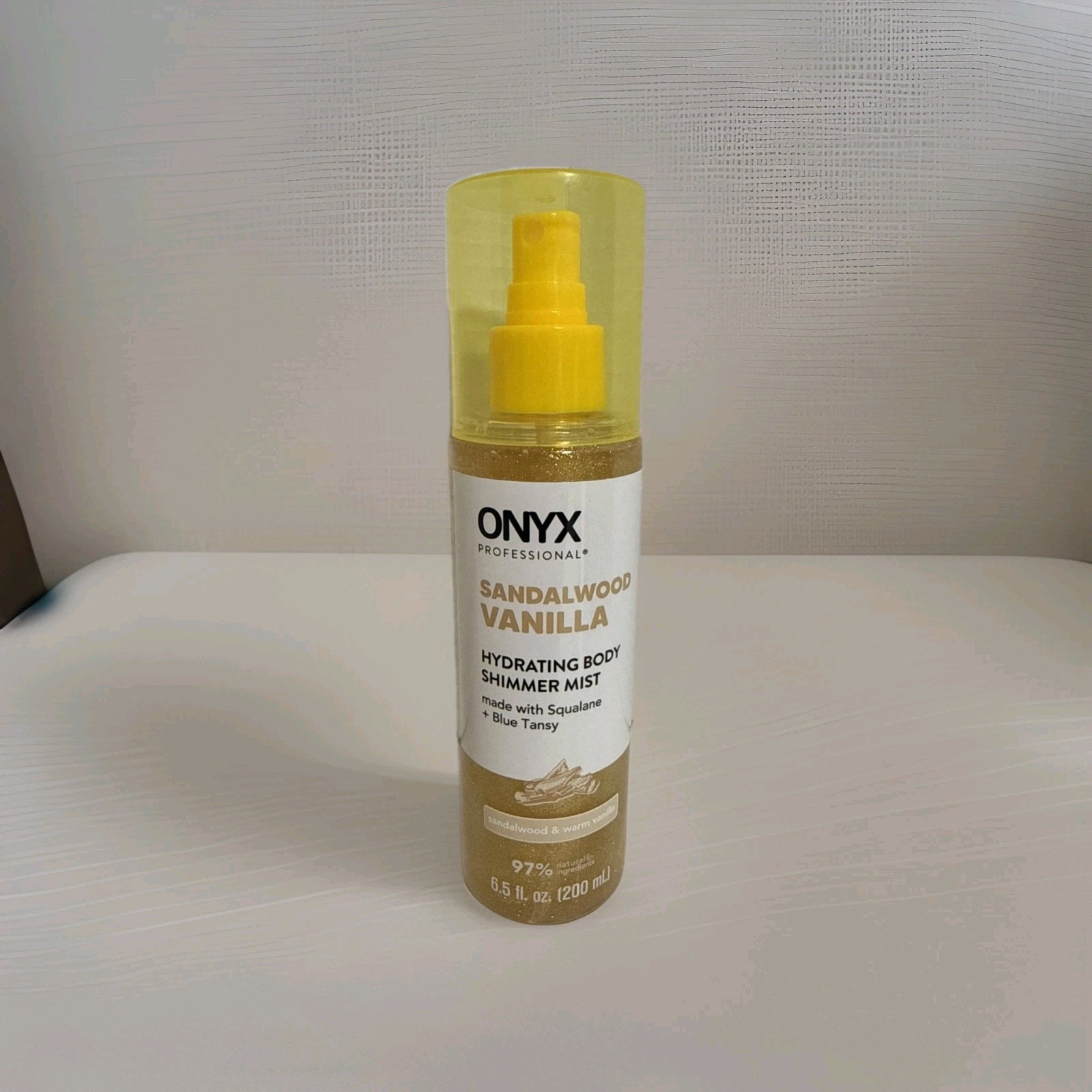
What to check before buying
- Confirm the cream is labeled for external whole-body use — not a facial AHA cream, which can be too strong for underarm and groin skin.
- Patch-test on the inner forearm for 24 hours before full-body application, especially with acidifying formulas.
- Check the ingredient list for known sensitizers (fragrance mixes, essential oils) if you have eczema or reactive skin.
- Verify the package form (jar vs. stick vs. tube) suits your routine — jars risk bacterial contamination from fingers, so a tube or stick is more hygienic for shared or gym use.
FAQ
Data sources: eBay / Amazon listings and product attribute feeds Data updated Nov 15, 2026.
Some links on this page are affiliate links. If you buy after clicking one, we may earn a commission at no extra cost to you. This does not change which products appear here or their order. Affiliate disclosure.