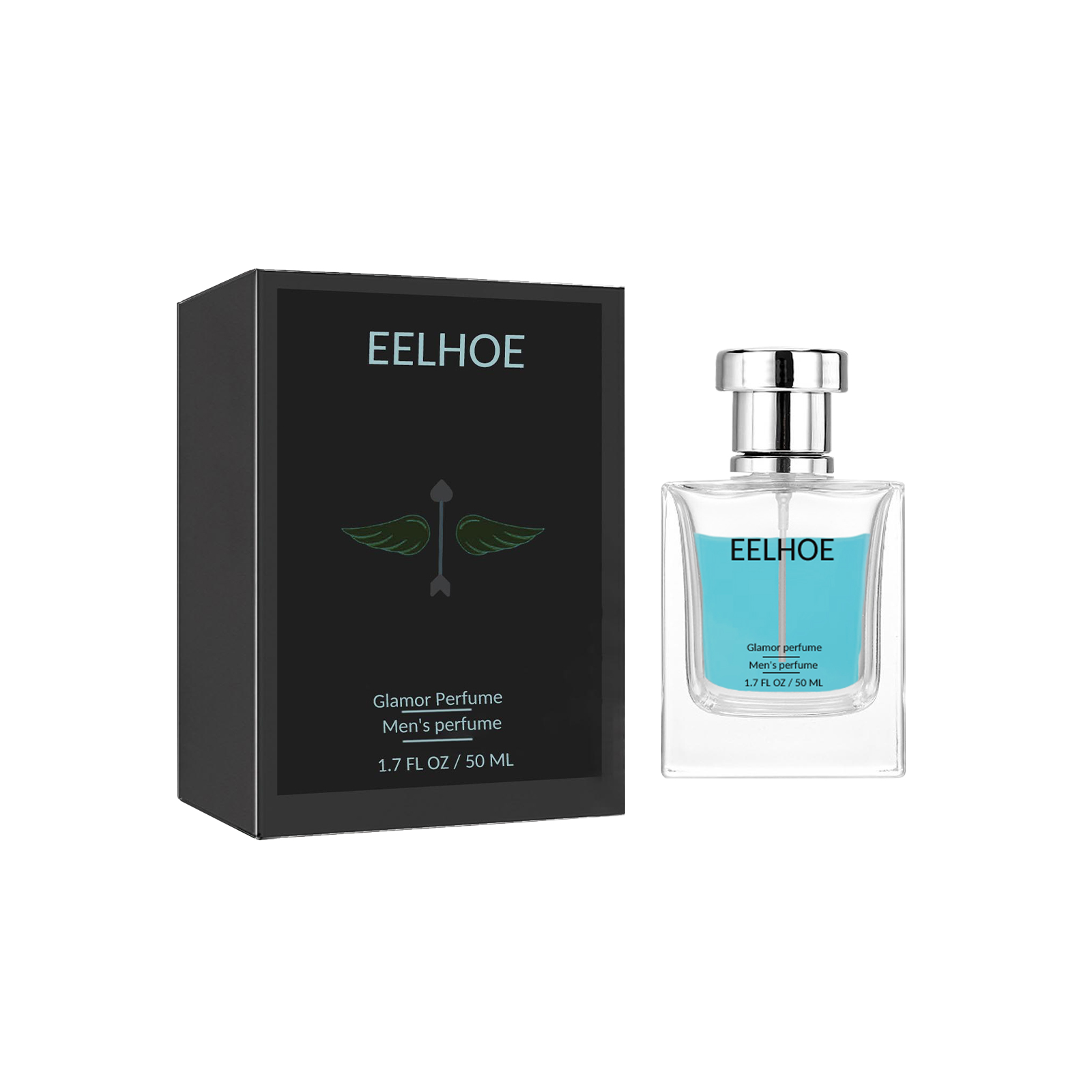

Photos from current listings. Actual item, color, and included accessories may vary.
Pheromone Perfume Buying Guide
Pheromone perfumes are fragrances marketed with added human pheromone compounds—typically androstadienone or androstenone—claimed to enhance attraction, though clinical evidence for social effects remains weak and highly individual. The real buying decision is fragrance concentration and skin-compatibility: an eau de parfum base (15–20% aromatic oils) outlasts eau de toilette and body mists, while the pheromone component itself is odorless and dose-sensitive. Choose a reputable EDP house with transparent ingredient disclosure and patch-test first; skip anonymous dropship blends that list no concentration or allergen data.


At a glance
- Category
- Eau de Parfum & Fragrance
- Data updated
- Nov 15, 2026
Current offers
Highlights
- Fragrance concentration tiers: Eau de Toilette 5–15% oils (2–4 hr), Eau de Parfum 15–20% (6–8 hr), Parfum/Extrait 20–30% — pick EDP for lasting wear.
- Putative pheromone compounds (androstadienone, androstenone, androsterone) are largely odorless; they modulate a fragrance's dry-down rather than adding a detectable scent note.
- Alcohol-denatured base (SD Alcohol 39-C/40-B) evaporates fast and projects strongly; oil-based or roll-on formats wear closer to skin and suit sensitive or dry skin.
- Fragrance allergens (limonene, linalool, citronellol, coumarin) must be declared above 0.001–0.01% under EU/IFRA labeling — a transparent allergen list signals a legitimate formulation.
Best use cases
- Best fit: date-night or close-contact wear — choose an EDP with warm base notes (amber, musk, vanilla) applied to pulse points; skip high-alcohol EDT sprays that flash off in 2 hours.
- Best fit: daily office wear — pick a low-sillage EDP or oil roll-on with soft projection; skip oud-heavy or gourmand extraits that overwhelm small rooms.
- Wrong fit: sensitive or eczema-prone skin — avoid alcohol-heavy sprays and undisclosed 'fragrance' blends; choose fragrance-free pheromone isolates or allergen-declared oil rollers.
- Wrong fit: expecting clinical attraction effects — no peer-reviewed evidence supports measurable pheromone-driven attraction in humans; buy for scent quality, not claimed biology.
Buying tips
- Match concentration to wear time: EDT for 2–4 hours, EDP for 6–8 hours, extrait for 8+ hours; pheromone additives do not extend longevity on their own.
- Check the INCI list for declared allergens and the carrier (SD Alcohol vs. jojoba/squalane oil); oil rollers project less but cling longer on dry skin.
- Prefer brands disclosing pheromone concentration in mg or % (e.g., 1–5 mg/mL androstadienone); unquantified 'pheromone-infused' claims are marketing only.
- Test on a 2 cm inner-forearm patch for 24 hours before full application — androstadienone can cause contact irritation in a minority of users.
Specs
| Concentration | EDT 5–15% / EDP 15–20% / Extrait 20–30% |
|---|---|
| Carrier Base | SD Alcohol spray vs. oil roll-on |
| Pheromone Dose | 0–5 mg/mL androstadienone (declared) |
| Longevity | EDT 2–4 hr / EDP 6–8 hr / Extrait 8+ hr |
Related searches
What to check before buying
- Skin test: apply a single spray or roller dab to the inner forearm and wait 24 hours to rule out contact dermatitis before pulse-point use.
- Format check: confirm spray vs. roll-on vs. solid — alcohol sprays suit normal skin, oil rollers suit dry or sensitive skin, solids suit travel.
- Climate check: high heat and humidity amplify projection — reduce to one spray in summer or choose a lower-sillage EDP.
- Layering plan: pair with an unscented moisturizer to slow evaporation; avoid overlapping with strongly scented deodorant or body wash that masks the dry-down.
FAQ
Data sources: eBay / Amazon listings and product attribute feeds Data updated Nov 15, 2026.
Some links on this page are affiliate links. If you buy after clicking one, we may earn a commission at no extra cost to you. This does not change which products appear here or their order. Affiliate disclosure.