Choosing Personal Care Products: A Practical Decision Guide
A step-by-step guide to choosing beauty and personal care products that fit your skin, hair, values, and routine, from reading labels to spotting trustworthy information.
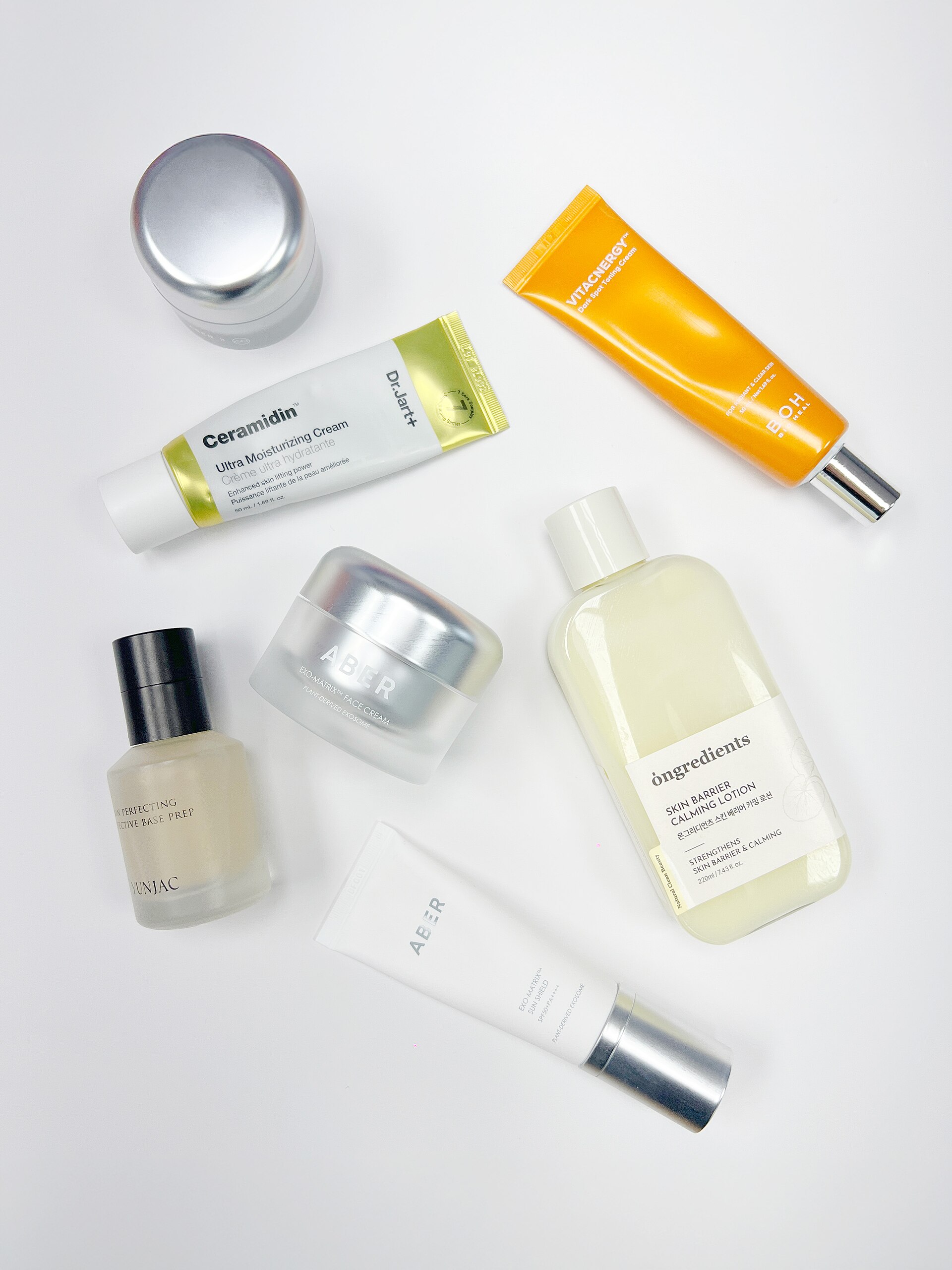
Cover: Own work · Wikimedia Commons · CC0
Question: How can I make a practical, informed decision when choosing personal care and beauty products?
Start with your own needs and preferences
A product that works for one person can feel wrong for another because of skin type, hair texture, sensitivities, sensory preferences, and daily habits. Before browsing, notice your own skin and scalp: whether it tends to feel dry, oily, balanced, or easily irritated, and how it reacts to fragrance or texture. Think about how much time you enjoy spending on personal care, the climate where you live, and any values you care about, such as cruelty-free, vegan, or low-waste options. These details create your decision criteria.
Read the label like a shopper
Cosmetic labels list ingredients in descending order of weight, but that does not tell you how a product will feel on your skin or hair. Words like 'natural', 'clean', and 'dermatologist-tested' are marketing terms; their meanings vary by brand. Look for the ingredient list, usage directions, and warning statements. If a product contains fragrance or a long list of botanicals and you have sensitive skin, you may want to test it on a small area first. Remember that 'free from' claims usually refer to a short list of excluded ingredients, not a guarantee of safety for everyone.
Consider packaging, expiry, and storage
Personal care products change over time. Pay attention to the PAO (period-after-opening) symbol or the expiry date, and store products away from direct sunlight, heat, and humidity if the label suggests it. Pumps and tubes often protect formulas better than open jars because they keep air and fingers out. If you are looking for less waste, consider refills, recycled packaging, or solid formats. Good storage also keeps your products pleasant to use and less likely to separate or spoil.
Choose a routine that fits your everyday life
A practical routine is one you can repeat without stress. You might choose a single multi-purpose product over several single-use items, or keep separate products for different seasons or activities. Decide how many steps you will realistically maintain, how much storage space you have, and how much you want to spend. A minimalist approach often makes choices easier: start with a cleanser, a moisturizer, and a sunscreen in the morning, then add products only when you notice a specific need.
Verify claims with independent sources
Regulators and professional organizations publish plain-language guidance about cosmetics. For example, the U.S. Food and Drug Administration explains that cosmetics are regulated but do not require pre-market approval, and the U.S. Environmental Protection Agency runs a Safer Choice program that recognizes products with safer ingredients. Dermatology organizations offer practical tips on skin care basics. Use these independent sources alongside the label to compare products, understand claims, and notice when a phrase is more promotional than factual.